Why Are My Plants' Leaves Turning Yellow?
Main Causes of Yellow Leaves in Plants
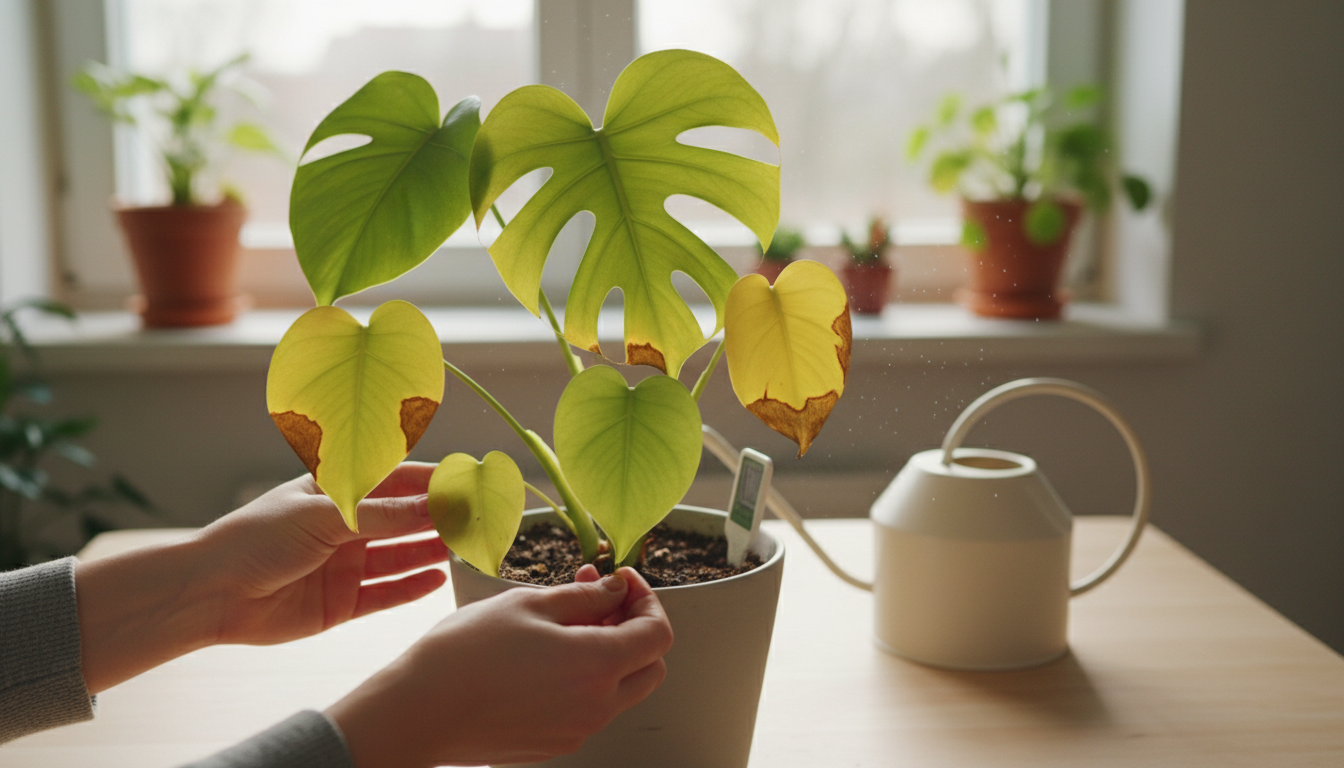
Yellow leaves on your plants can signal various problems. Let's break down the most common causes of this phenomenon.
1. Nutrient Deficiency
One reason for yellowing leaves may be a lack of essential nutrients such as nitrogen, iron, or magnesium. If your plants are not getting enough of these elements, it can lead to chlorosis, where the leaves lose their green color.
Tips:
- Use quality fertilizers.
- Periodically conduct soil tests to determine nutrient levels.
2. Improper Watering
Overwatering or underwatering is another common cause of yellow leaves. If the roots of the plants are in an environment that is too wet or too dry, it can cause stress and lead to changes in leaf color.
Signs of Improper Watering:
- Overwatering: Roots may rot, leaves become soft and yellow.
- Underwatering: Leaves shrivel and lose their firmness.
3. Diseases and Pests
Some diseases and pests can also cause yellowing leaves. For example, fungal infections or insect infestations can weaken the plant and lead to color loss.
What to Do:
- Regularly inspect plants for pests.
- Use appropriate plant protection measures upon noticing signs of disease.
Conclusion
If your plants start to yellow, don't rush to panic! First, analyze their growing conditions and care for them properly. A correct approach to nutrition, watering, and protection will help restore your plants' healthy appearance.
Overwatering: How to Recognize and Fix It
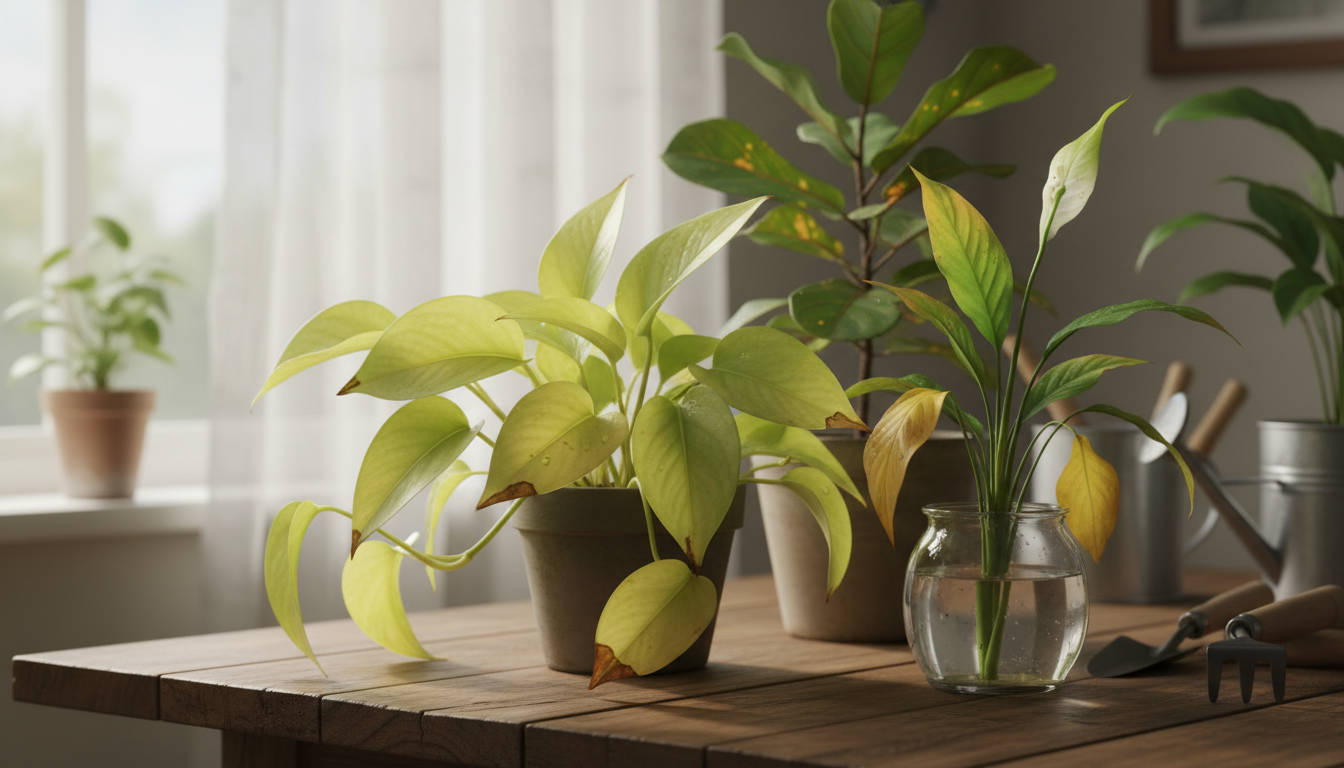
Overwatering is one of the most common causes of yellowing leaves. When the roots receive too much moisture, they begin to rot, negatively affecting the overall health of the plant. Let's take a closer look at how to recognize this symptom and what can be done to correct the situation.
Signs of Overwatering
- Yellow Leaves: Leaves start to yellow, especially at the bottom of the plant.
- Soft and Watery Leaves: If leaves become soft to the touch, it may indicate that the roots cannot function properly.
- Rotten Smell: Overwatering can produce an unpleasant smell from the soil, indicating root rot.
- Lack of Growth: The plant may stop growing or even start to wilt.
How to Fix the Situation
If you notice signs of overwatering, here are several steps to help correct the situation:
-
Check Drainage: Ensure that the pot has drainage holes and that water is not pooling. It may be worth repotting the plant in a pot with better drainage.
-
Reduce Watering: Allow the soil to dry out a few centimeters deep before the next watering. Pay attention to the specific water needs of the plant.
-
Check the Soil: If the soil is too dense and does not allow water to pass through, consider replacing it with a lighter, more breathable mix.
-
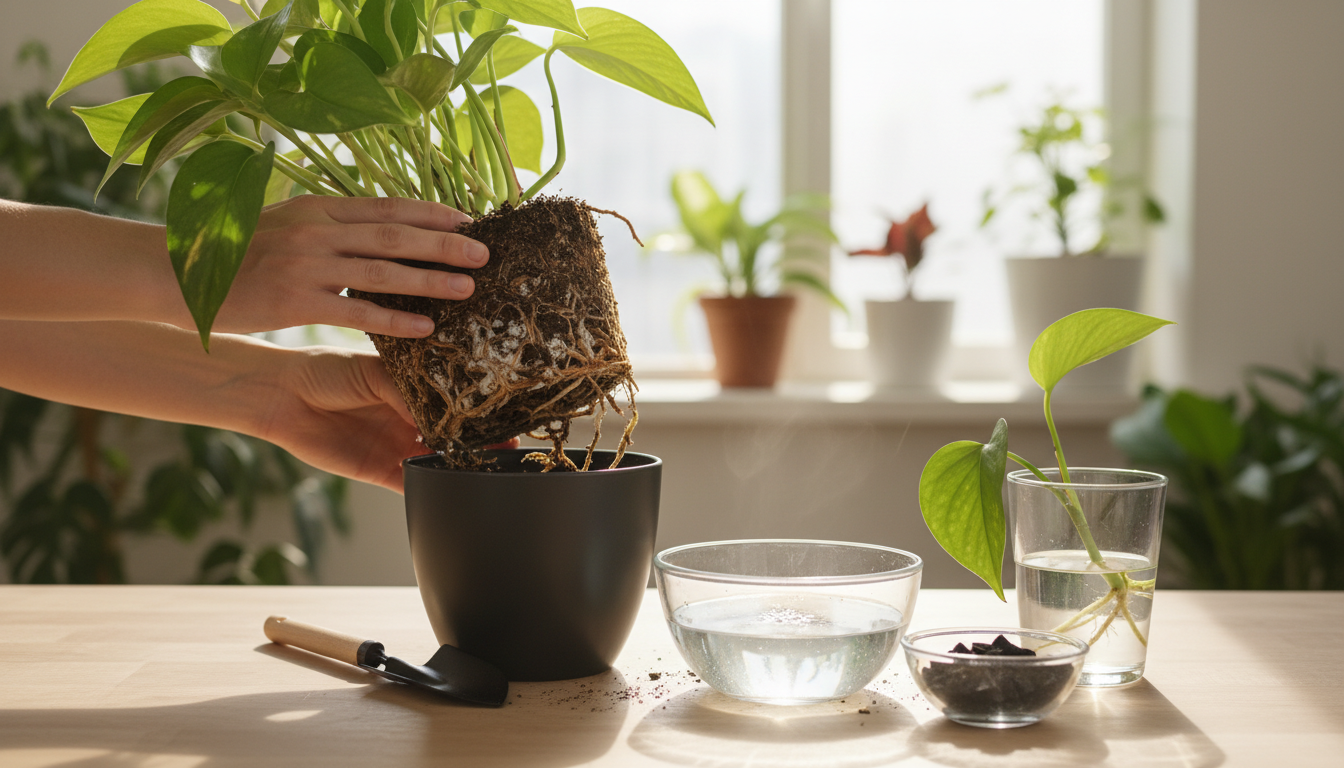
Remove Damaged Roots: If you find rotten roots during repotting, carefully remove them. This will help the plant recover and start new growth.
Helpful Tips
- Use soil moisture meters to accurately determine moisture levels.
- Monitor the temperature and humidity indoors: too high humidity can contribute to overwatering.
- Regularly trim old, yellow leaves to help the plant focus energy on new, healthy shoots.
By following these recommendations, you can restore health to your plants and enjoy their beautiful green leaves!
Lack of Light: How It Affects Leaves
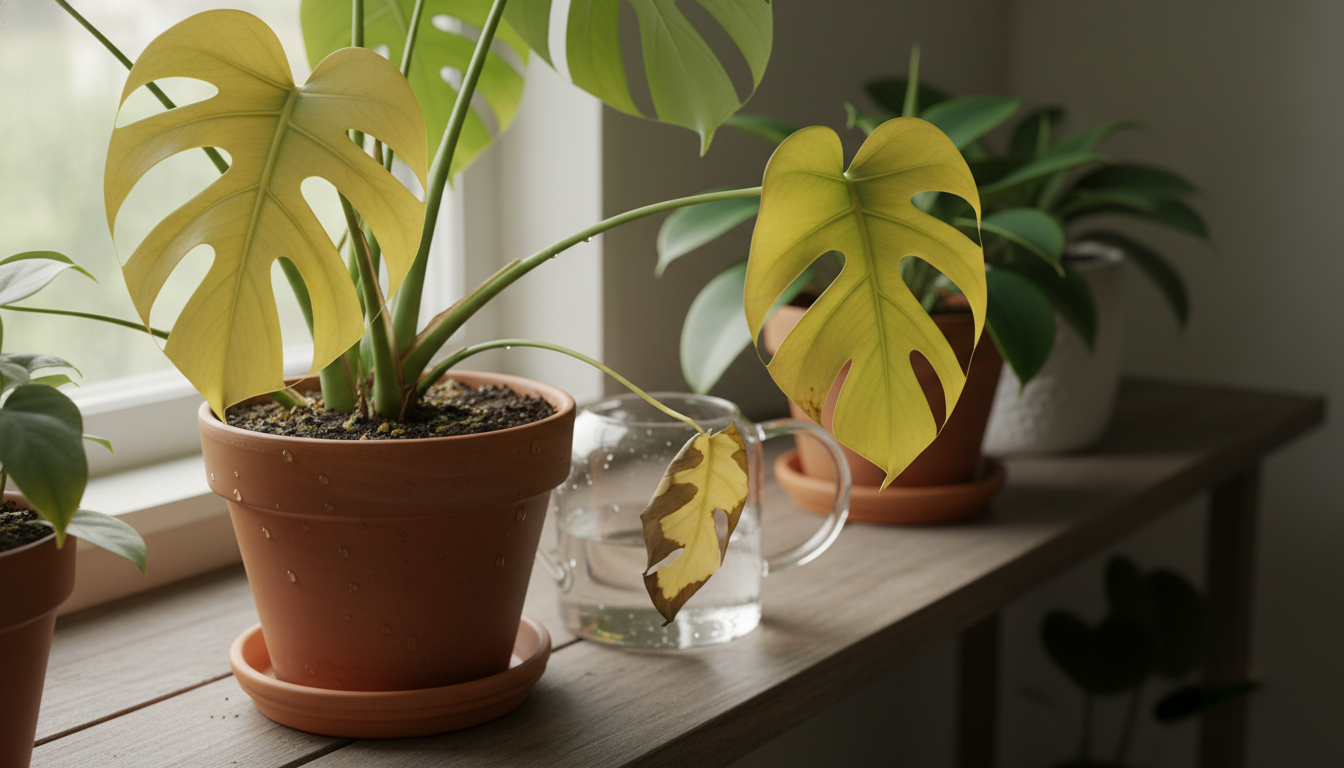
A lack of light is one of the main causes of yellowing leaves. Plants use light for photosynthesis, a process that allows them to produce energy and grow. When there is insufficient light, it can lead to various problems, including changes in leaf color.
How Lack of Light Affects Plants
When light is insufficient, plants begin to experience stress, which can manifest in the following symptoms:
- Yellowing Leaves: Leaves become pale and yellow, especially at the bottom of the plant.
- Slowed Growth: The plant may stop growing or grow very slowly as it does not receive enough energy.
- Long, Elongated Stems: The plant may stretch toward the light source, resulting in unnaturally long and thin stems.
How to Choose the Right Lighting for Your Plants
To avoid problems with lack of light, it is important to choose the right lighting. Here are some tips:
-
Determine Your Plant's Needs: Different plants have different light requirements. For example, succulents and cacti need bright light, while ferns prefer partial shade.
-
Use Artificial Lighting: If you do not have enough natural light, consider using grow lights. They can provide the necessary light spectrum for your plants.
-
Proper Placement: Place plants in locations where they can receive maximum light. This could be a windowsill or a spot near a window.
-
Regular Rotations: Rotate plants occasionally to ensure even lighting from all sides.
Helpful Tips
- Monitor the condition of the leaves: if they start to yellow, it may be time to increase the amount of light.
- Use reflective surfaces: mirrors or light-colored walls can help increase the amount of light reaching the plant.
- Learn about your plant's characteristics: some species can adapt to low light, but that doesn't mean they will grow healthy and beautiful.
By following these recommendations, you can ensure your plants receive enough light and avoid yellow leaves, enjoying their vibrant greenery!
Nutrients and Fertilizers: What You Need to Know
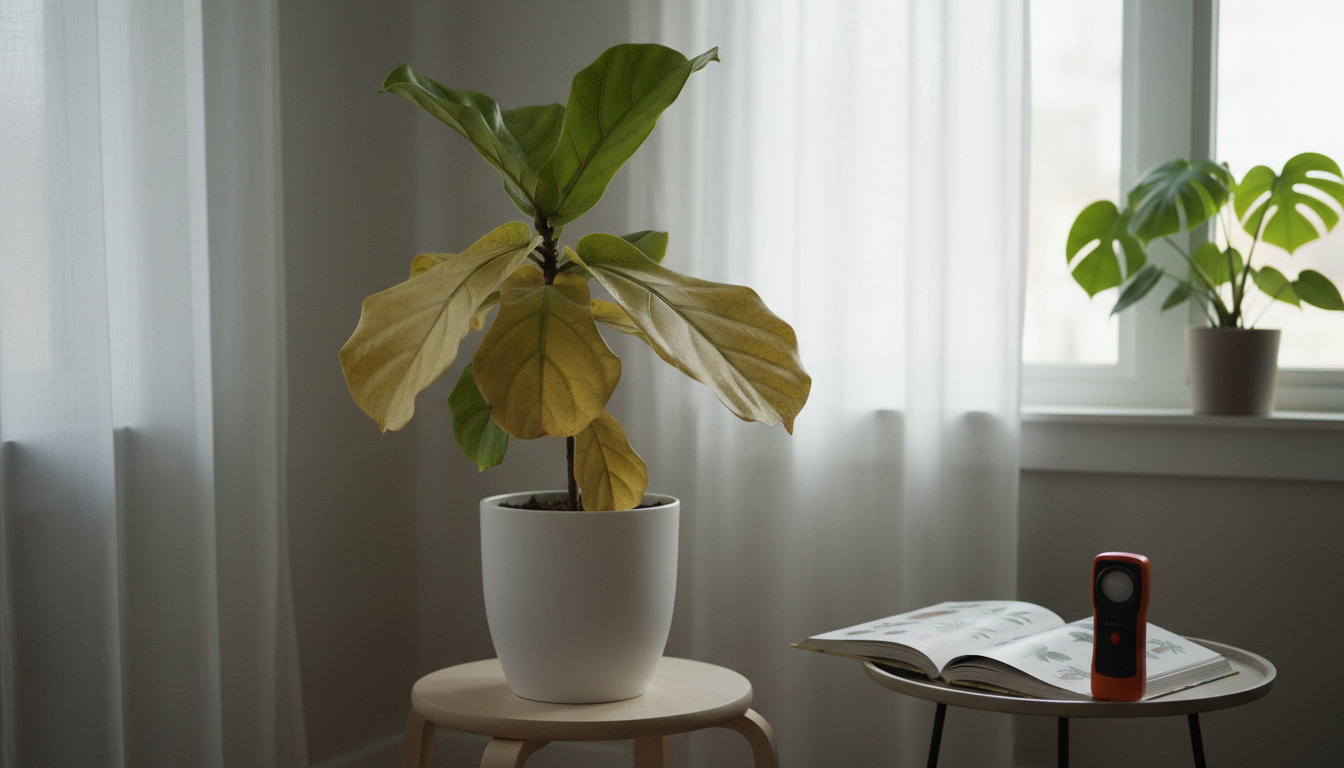
Yellowing leaves can be a sign not only of improper watering but also of a deficiency or excess of nutrients. Proper fertilization plays a key role in the health of your plants. Let's explore how to properly feed plants to avoid yellow leaves.
Nutrient Deficiency
If your plant is not receiving enough essential elements such as nitrogen, iron, or magnesium, it can lead to yellowing leaves. Here are some symptoms to watch for:
- General Yellowing: Leaves become pale and yellow, especially at the bottom of the plant.
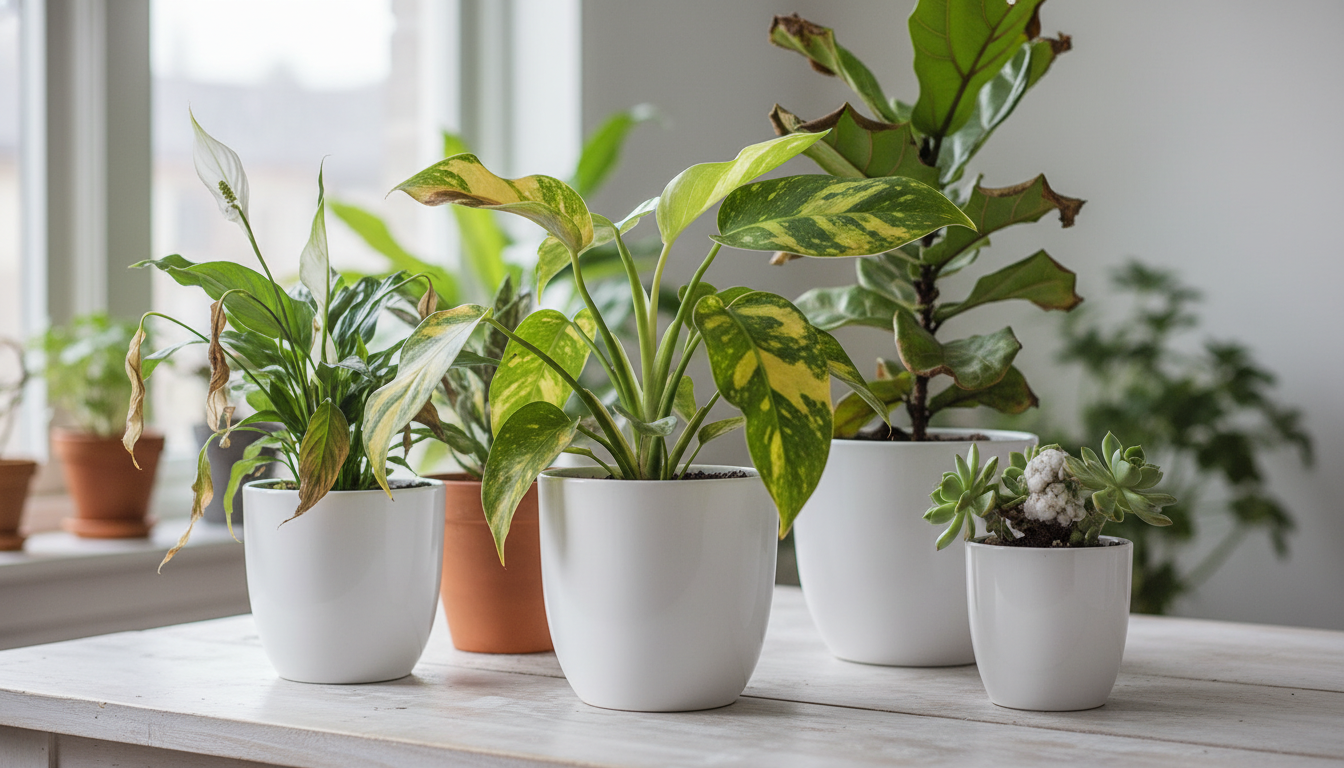
- Chlorosis: Leaves lose their green color, but the veins remain green.
Excess Fertilizers
On the other hand, excess fertilizers can also cause problems. Too many nutrients can lead to toxicity, which will also affect leaf color. Signs of excess fertilizers:
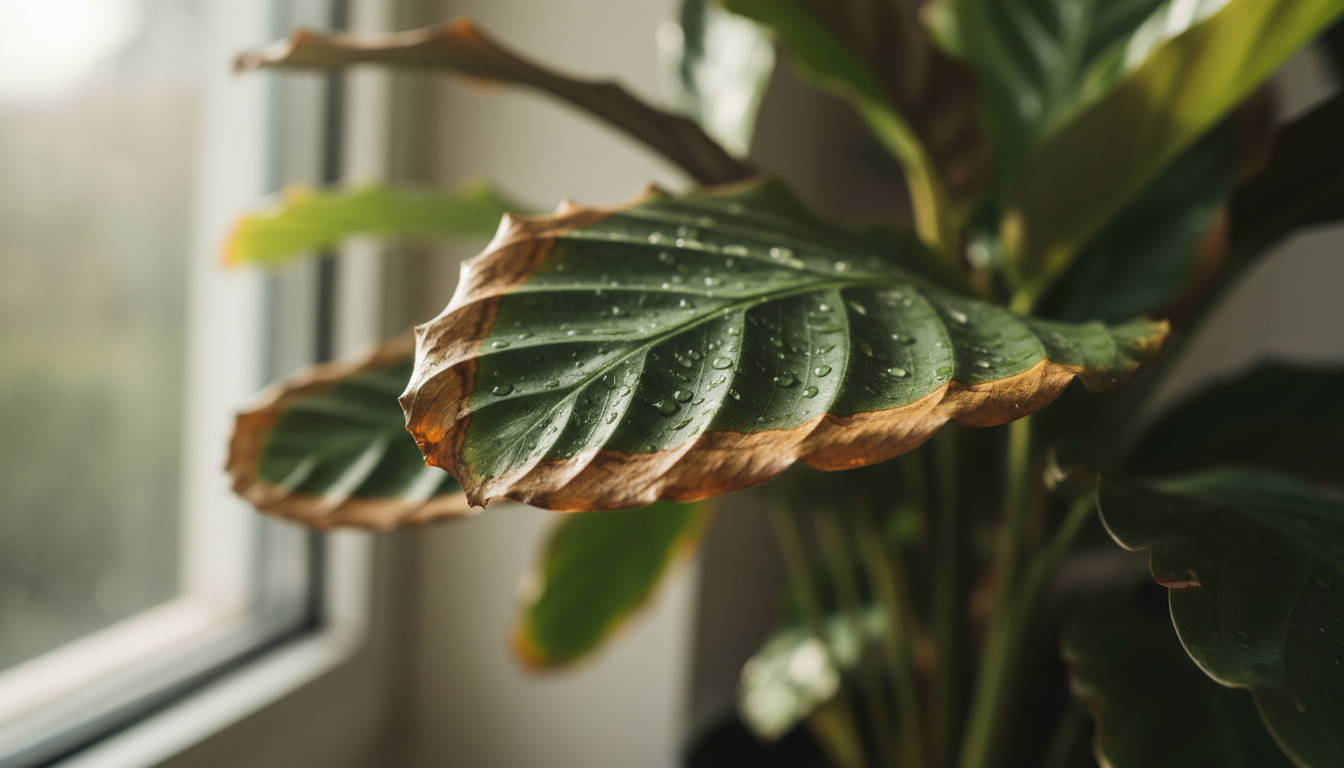
- Brown Leaf Edges: Leaves may start to dry out and turn brown at the edges.
- Slowed Growth: The plant may stop growing as the roots become overloaded.
How to Properly Feed Plants
-
Choosing Fertilizers: Use fertilizers specifically designed for your type of plant. For example, flowering plants benefit from fertilizers high in phosphorus.
-
Follow Instructions: Always follow the recommendations on the fertilizer packaging. Avoid overapplication.
-
Feeding Frequency: Generally, plants need feeding once a month during the active growth period (spring and summer). In autumn and winter, you can reduce the frequency of feedings.
-
Soil Testing: Regularly check the nutrient levels in the soil. This will help you understand what your plant is lacking.
Helpful Tips
- Observe the Plant: If leaves start to yellow, check if it is related to a deficiency or excess of nutrients.
- Mix Fertilizers: Sometimes it is beneficial to use both organic and mineral fertilizers for better results.
- Don't Forget About Watering: Fertilizers are better absorbed when the soil is moist but not waterlogged.
By following these recommendations, you can maintain the health of your plants and enjoy their vibrant green leaves!
Diseases and Pests: How to Identify Them
Yellowing leaves can signal not only improper watering or lack of light but also various diseases and pests that may threaten your plants. Let's look at the most common problems and how to identify them.
Common Diseases
-
Phytophthora: This fungal disease manifests as yellow spots on leaves, which may blacken over time. The plant begins to wilt, and its growth slows down.
-
Powdery Mildew: If you notice a white coating on the leaves, it may be a sign of powdery mildew. Leaves yellow and may drop off.
-
Root Rot: Occurs with overwatering. Leaves yellow, and the plant begins to wilt. An unpleasant smell from the soil is often observed.
Pests
-
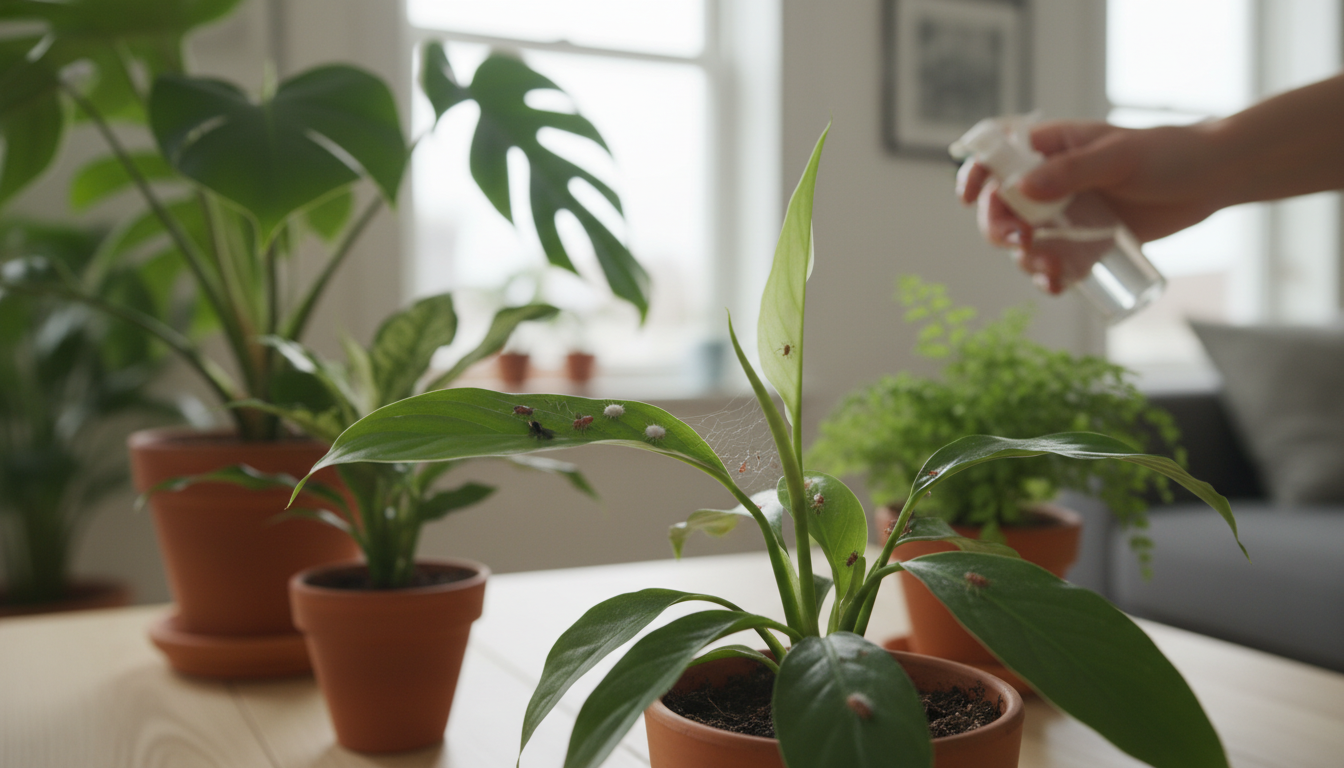
Spider Mites: These tiny pests can cause yellowing and leaf drop. You may notice fine webs on the plant.
-
Scale Insects: Appearing as brown or black bumps on leaves and stems, they suck the sap from the plant, leading to yellowing.
-
Aphids: These small insects gather on young shoots and leaves, causing yellowing and deformation.
How to Prevent and Treat
-
Regular Inspection: Periodically check your plants for signs of diseases and pests. This will help you identify the problem at an early stage.
-
Isolate Affected Plants: If you notice disease or pests, isolate the plant to prevent spreading.
-
Use Fungicides and Insecticides: Depending on the problem, you may need special products to treat your plants. Be sure to follow the instructions on the packaging.
-
Maintain Plant Health: Ensure your plants receive enough light, water, and nutrients. This will help them remain strong and resilient against diseases and pests.
Helpful Tips
- Maintain Cleanliness: Remove fallen leaves and plant debris to prevent pests and fungi from multiplying.
- Proper Watering: Avoid overwatering and standing water in pots, as this creates ideal conditions for root rot.
- Encourage Health: Regularly fertilize your plants and monitor their condition so they can withstand diseases and pests.