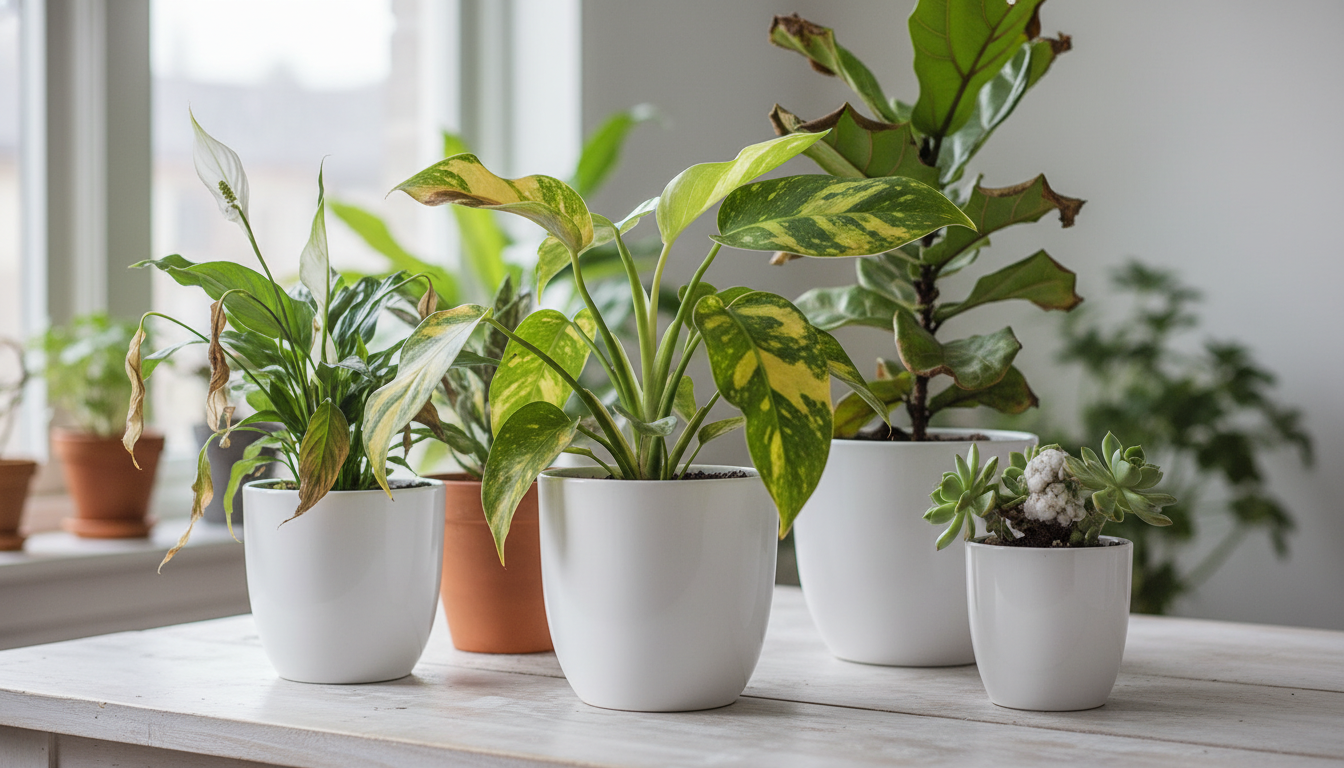
Common Diseases of Houseplants and How to Recognize Them
Introduction to Houseplant Diseases
Houseplants, like any other living organisms, are susceptible to various diseases. Understanding the main diseases that can affect your green companions will help you take timely action and maintain their health. In this section, we will discuss the most common diseases of houseplants and their impact on the overall condition of the plants.
Main Types of Diseases
There are many diseases that can affect houseplants. Here are a few of them:
-
Fungal Infections: These diseases often manifest as spots on leaves or stems. Fungi thrive in high humidity conditions and can spread quickly if no action is taken.
-
Bacterial Infections: They can cause root or stem rot, as well as the appearance of watery spots on leaves. Bacteria usually enter the plant through damaged areas.
-
Viral Infections: Viruses often lead to leaf deformation and color changes. Unfortunately, viral infections are difficult to treat, and sometimes it is better to remove the affected plant.
How to Recognize Diseases
Identifying a disease at an early stage is key to successful treatment. Pay attention to the following signs:
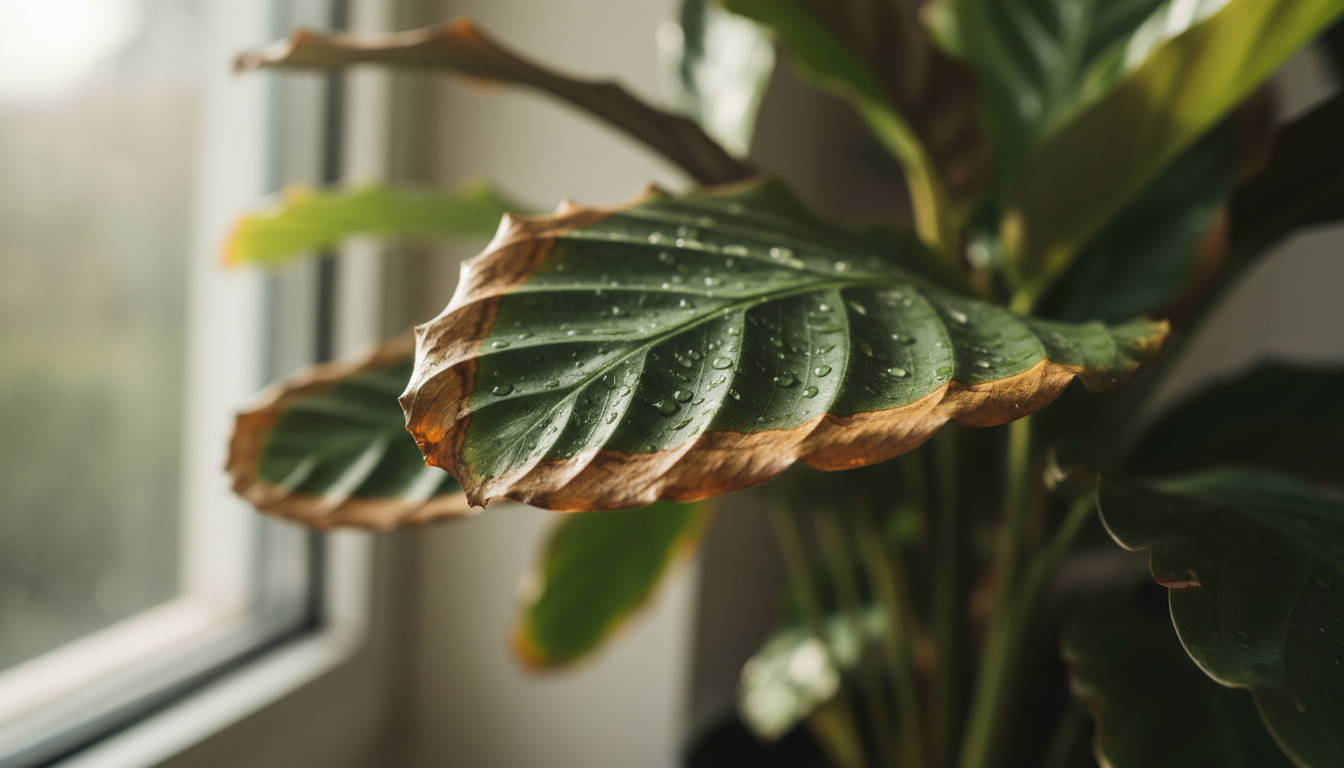
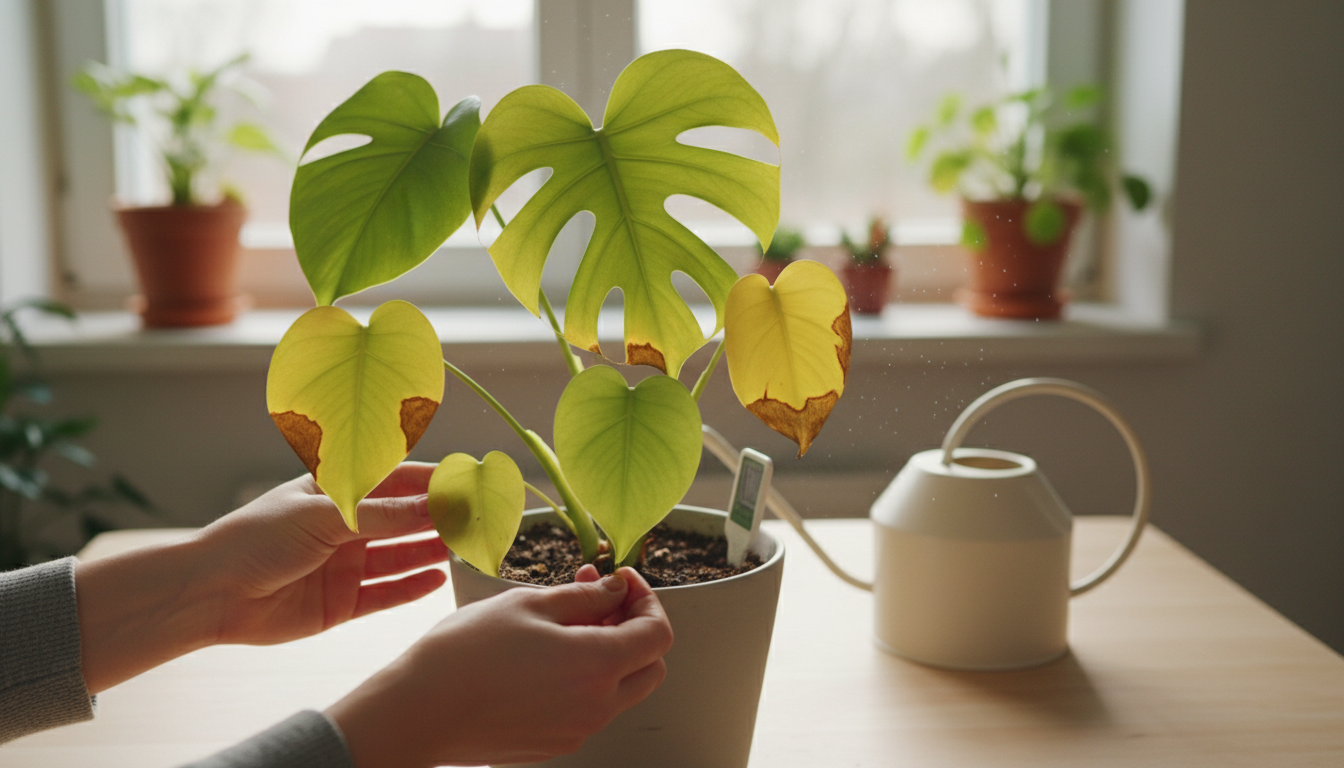
- Color Change of Leaves: If leaves turn yellow or brown, it may be a sign of disease.
- Spots and Coating: The presence of spots, especially if they are wet or fluffy, may indicate a fungal infection.
- Wilting or Rotting: If the plant starts to wilt or the roots rot, it may be due to a bacterial infection.
Prevention Tips
To minimize the risk of diseases, follow these simple recommendations:
- Regularly Check Your Plants: Inspect leaves and stems for signs of disease.
- Ensure Good Ventilation: This will help avoid excess humidity and fungal infections.
- Proper Watering: Do not overwater your plants, as this can lead to root rot.
Take care of your houseplants, and they will respond with health and beauty!
Fungal Infections: How to Recognize Them
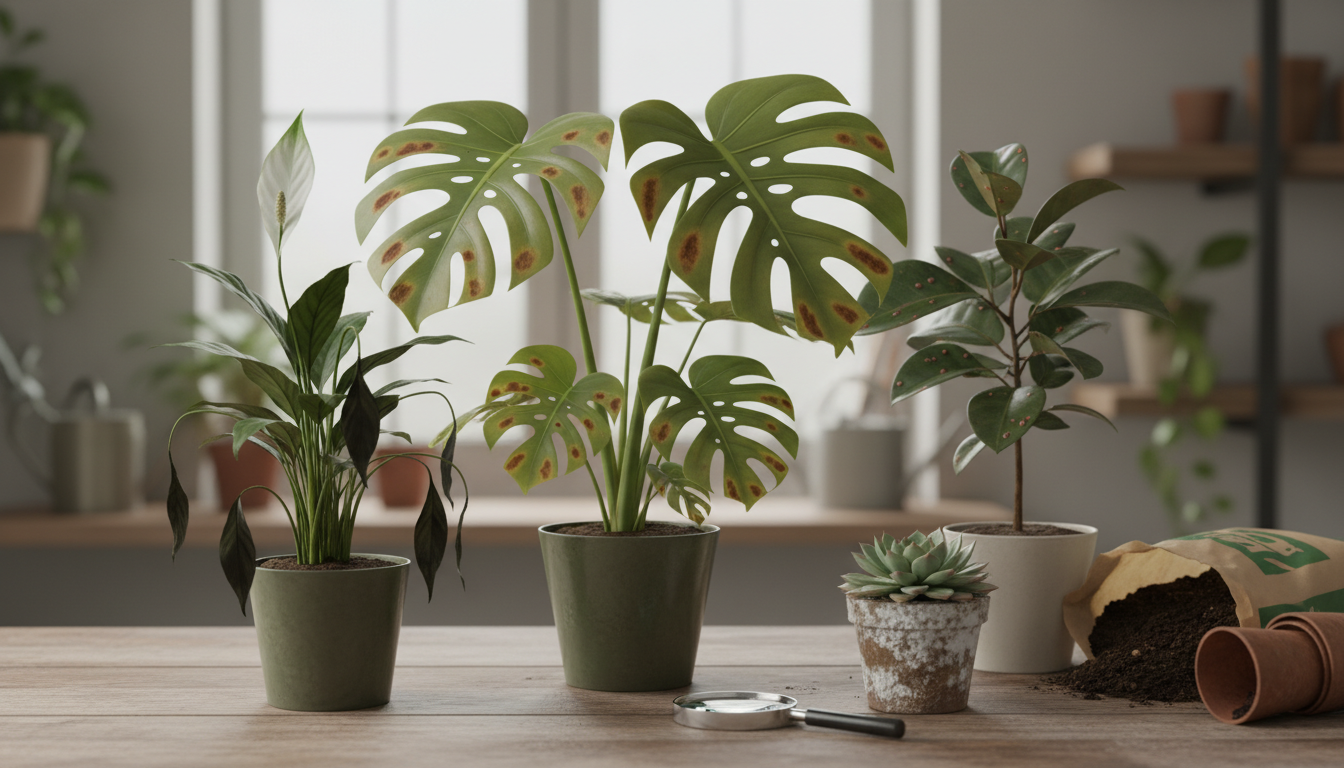
Fungal infections are among the most common diseases of houseplants. They can occur due to excess moisture, poor air circulation, or improper care. In this section, we will look at two main types of fungal infections: powdery mildew and root rot.
Powdery Mildew
Powdery mildew appears as a white powdery coating on leaves and stems. This coating consists of fungal spores and can spread quickly if no action is taken.
Symptoms of Powdery Mildew:
- White coating on the upper side of leaves
- Change in shape and color of leaves
- Wilting and dropping of leaves
What to Do When Powdery Mildew is Detected:
- Remove affected leaves.
- Improve ventilation around the plant.
- Treat the plant with a fungicide if the infection is severe.
Root Rot
Root rot occurs when the roots of the plant begin to rot due to overwatering or lack of oxygen. This disease can be particularly dangerous, as its symptoms often manifest only in the later stages.
Symptoms of Root Rot:
- Wilting of the plant despite adequate watering
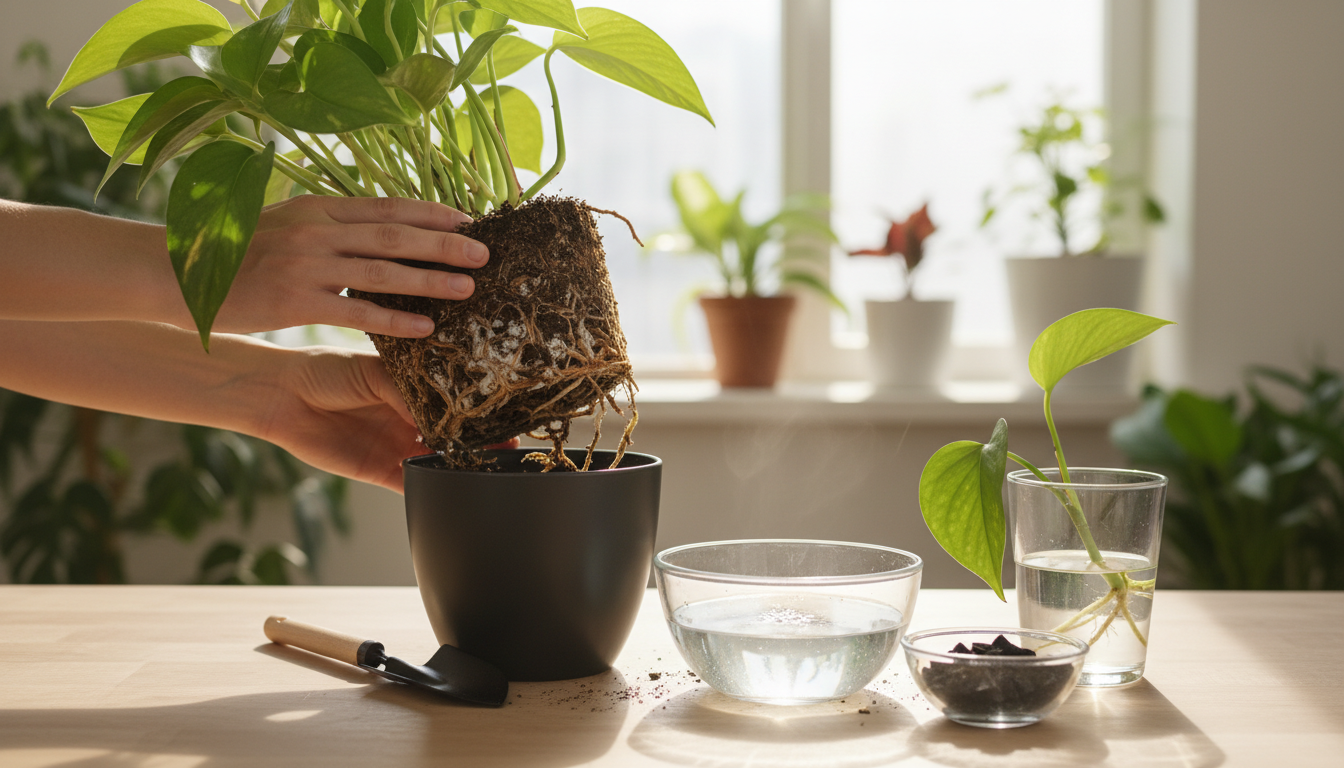
- Soft, black or brown roots upon inspection
- Unpleasant odor from the soil
What to Do When Root Rot is Detected:
- Remove the plant from the pot and inspect the roots.
- Remove all rotten roots with a sterile tool.
- Repot the plant in fresh, well-draining soil.
Prevention of Fungal Infections
To prevent fungal infections, follow these simple tips:
- Control Humidity Levels: Avoid overwatering and try to let the soil dry out between waterings.
- Ensure Good Ventilation: Arrange plants so they are not too close to each other.
- Regularly Inspect Plants: The sooner you notice signs of disease, the easier it will be to deal with it.
Take care of your plants, and they will delight you with their health and beauty!
Bacterial Infections and Their Signs
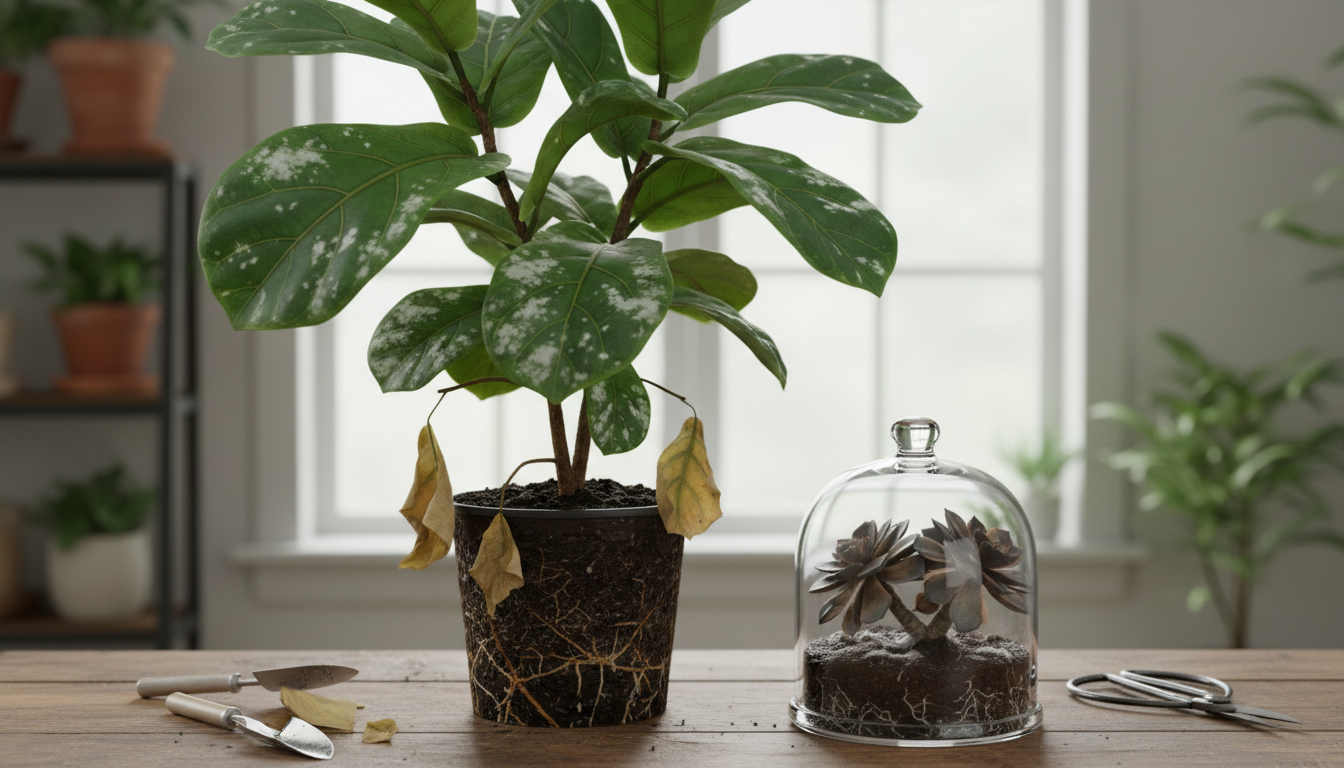
Bacterial infections can be a real disaster for your houseplants. They often manifest through root or stem rot and can spread quickly if no action is taken. One of the most common diseases is bacterial leaf spot, which causes the formation of watery spots on leaves.
How to Recognize Bacterial Infection
Here are some signs that may indicate a bacterial infection:
- Watery Spots: If you notice watery, dark spots on the leaves of the plant, this may be a sign of bacterial leaf spot.
- Rotting Stems or Roots: If stems become soft or roots begin to rot, this is a serious signal of an infection.
- Leaves Wilting or Yellowing: Wilting and color change of leaves can also indicate root problems caused by bacteria.
What to Do When Bacterial Infection is Detected
If you suspect that your plant is infected with bacteria, follow these recommendations:
- Remove Affected Parts: Carefully trim all damaged leaves and stems to prevent further spread of the infection.
- Improve Growing Conditions: Check humidity levels and ventilation. Excess humidity promotes bacterial growth.
- Treat the Plant: Use specialized products to combat bacterial infections to help the plant recover.
Prevention of Bacterial Infections
To minimize the risk of bacterial infections, follow these simple recommendations:
- Do Not Damage Plants: Be careful when repotting and pruning to avoid creating entry points for bacteria.
- Regularly Check Plant Health: Inspect leaves and stems for signs of disease.
- Ensure Proper Watering: Avoid excessive watering to prevent root rot.
Take care of your houseplants, and they will respond with health and beauty!
Viral Diseases: How They Affect Plants
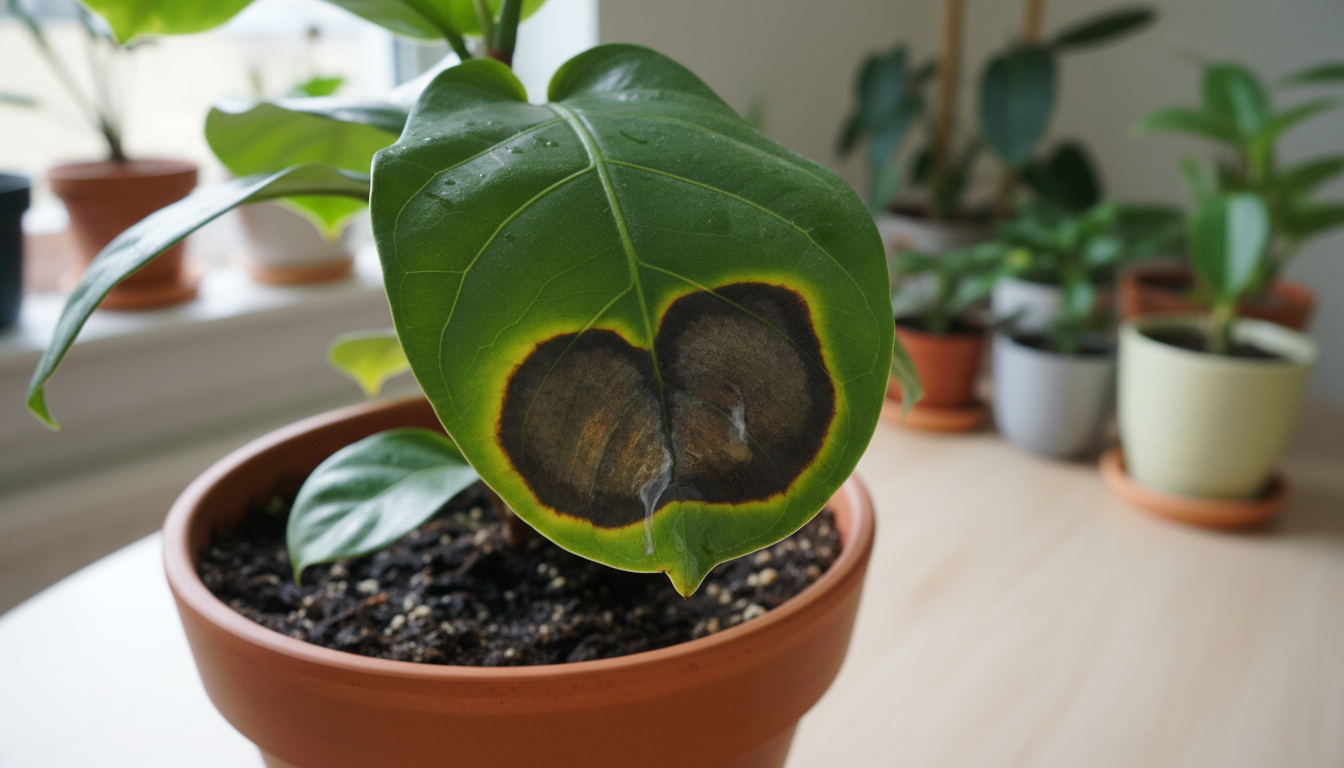
Viral infections are among the most complex diseases that can affect your houseplants. They often lead to serious changes in the growth and development of plants, and unfortunately, treating viruses can be challenging. In this section, we will look at the main symptoms of viral infections and ways to diagnose them.
Symptoms of Viral Infections
Viral diseases can manifest in various ways, and it is important to know what to look for:
- Leaf Deformation: Leaves may curl, become twisted, or small.
- Color Change: The appearance of mosaic patterns, yellow or light spots on leaves.
- Slowed Growth: The plant may grow slower than usual or stop growing altogether.
- Leaf Drop: Viruses can cause premature leaf drop, which is also a worrying sign.
How to Diagnose Viral Infections
Diagnosing viral diseases can be difficult, as many symptoms are similar to other diseases. Here are a few steps that can help you:
- Inspect the Plant Closely: Pay attention to changes in the shape and color of leaves, as well as the overall shape of the plant.
- Compare with Other Plants: If you have similar plants, compare their condition. Viruses can be transmitted through contact.
- Consult an Expert: If you suspect a viral infection, it is best to consult a specialist or a garden center for confirmation of the diagnosis.
What to Do When Viral Infection is Detected
Unfortunately, treating viral infections often comes down to removing affected plants to prevent the spread of the virus. Here are some recommendations:
- Remove Affected Plants: If you are sure that the plant is infected, it is best to remove it to protect other plants.
- Disinfect Tools: Before working with other plants, be sure to disinfect your tools to avoid spreading the virus.
- Support the Health of Other Plants: Ensure that your other plants receive enough light, water, and nutrients to strengthen their immunity.
Prevention of Viral Infections
To minimize the risk of viral infections, follow these simple recommendations:
- Avoid Contact with Infected Plants: If you buy new plants, always check them for signs of disease.
- Maintain Plant Health: Ensure that your plants receive enough sunlight and nutrients.
- Regularly Inspect Your Plants: The sooner you notice signs of disease, the easier it will be to prevent its spread.
Take care of your houseplants, and they will delight you with their health and beauty!
Prevention and Treatment of Houseplant Diseases
Houseplant diseases can be a real headache for plant lovers. However, with the right approach to prevention and treatment, you can maintain the health of your green friends. Let’s look at some useful tips.
Tips for Disease Prevention
-
Choose Healthy Plants: When buying new plants, carefully inspect them for signs of disease. Avoid plants with spots, wilted leaves, or damage.
-
Proper Watering: Avoid overwatering and drying out the soil. It’s better to water plants as needed, checking the soil moisture to a depth of about 2-3 cm.
-
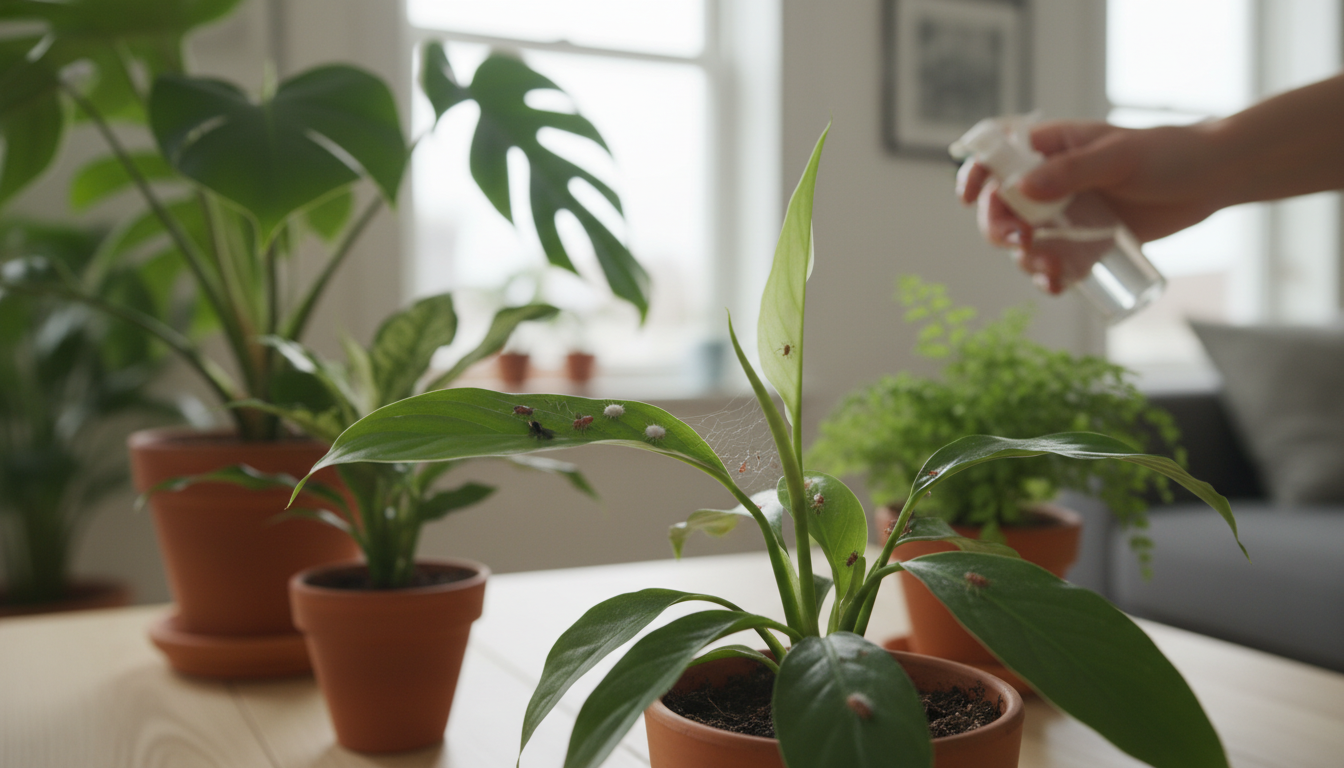
Maintain Sanitation: Regularly clean leaves of dust and pollen. This not only improves photosynthesis but also prevents the accumulation of pests and diseases.
-
Optimal Growth Conditions: Provide plants with sufficient light, air, and nutrients. Maintain optimal humidity and temperature.
Methods for Treating Diseases
If your plants do get sick, don’t despair! Here are some methods that can help:
-
Remove Affected Parts: If you notice sick leaves or stems, carefully trim them to prevent the spread of infection.
-
Use Fungicides and Insecticides: In the case of fungal or bacterial infections, specialized products can be used. Be sure to follow the instructions on the package.
-
Repotting: If the roots of the plant are affected, repot it in fresh, sterile soil. This will help avoid further spread of rot.
Maintaining Plant Health
Regular care for your plants will help prevent their diseases:
-
Regularly Check Your Plants: Inspect leaves and stems for signs of disease or pests.
-
Maintain Cleanliness: Remove fallen leaves and other plant debris from pots and around them.
-
Strengthen Immunity: Use organic fertilizers to support the health and strength of your plants.