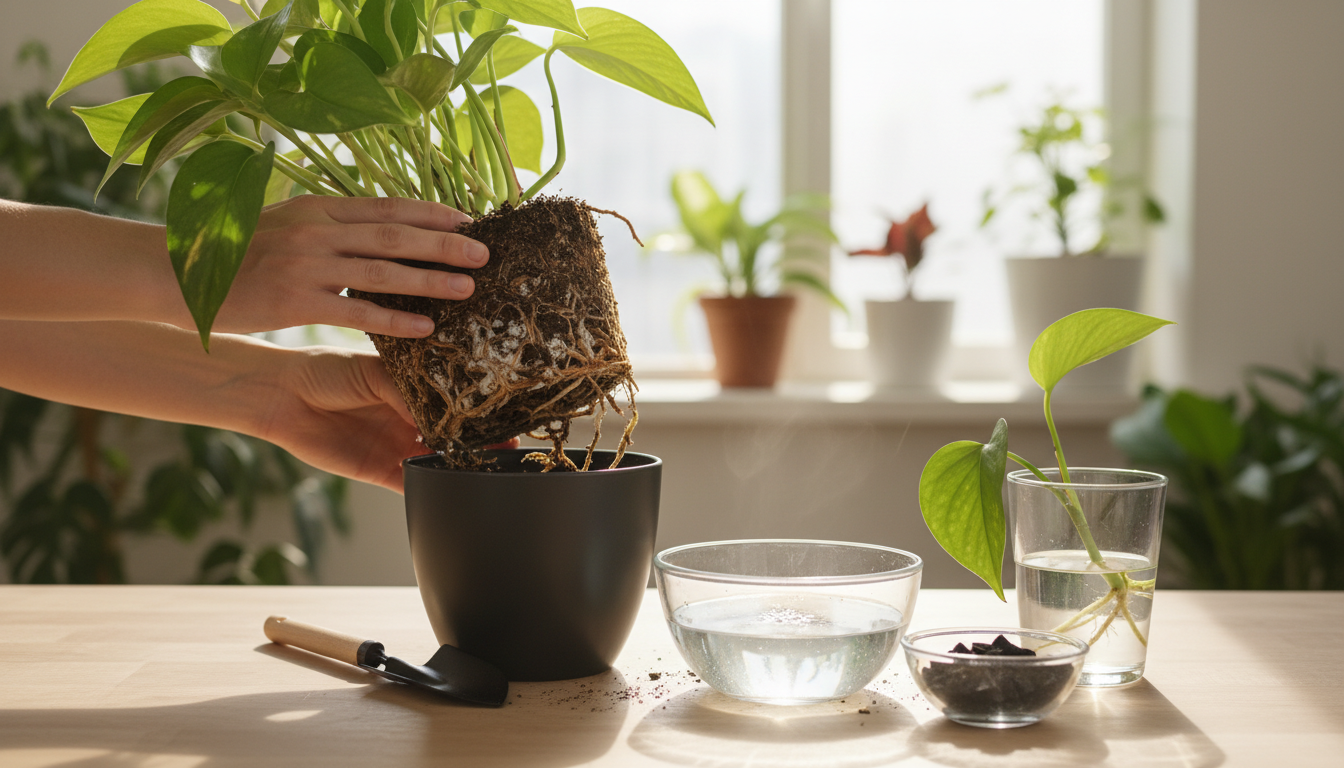
How to Treat Root Rot in Houseplants
What is Root Rot?
Root rot is a disease that affects the roots of plants, causing them to decay. This occurs when the roots are in conditions that promote the development of fungi, most often due to overwatering the soil. Understanding this disease will help you prevent it and maintain the health of your houseplants.
Causes of Root Rot
- Overwatering: Excessive watering is one of the main causes of root rot. Water accumulates in the pot, creating ideal conditions for fungal infections.
- Insufficient aeration: Dense soil or an inadequate number of drainage holes can lead to a lack of oxygen for the roots.
- Low temperatures: Cold weather can slow down plant growth and make them more susceptible to diseases.
Symptoms of Root Rot
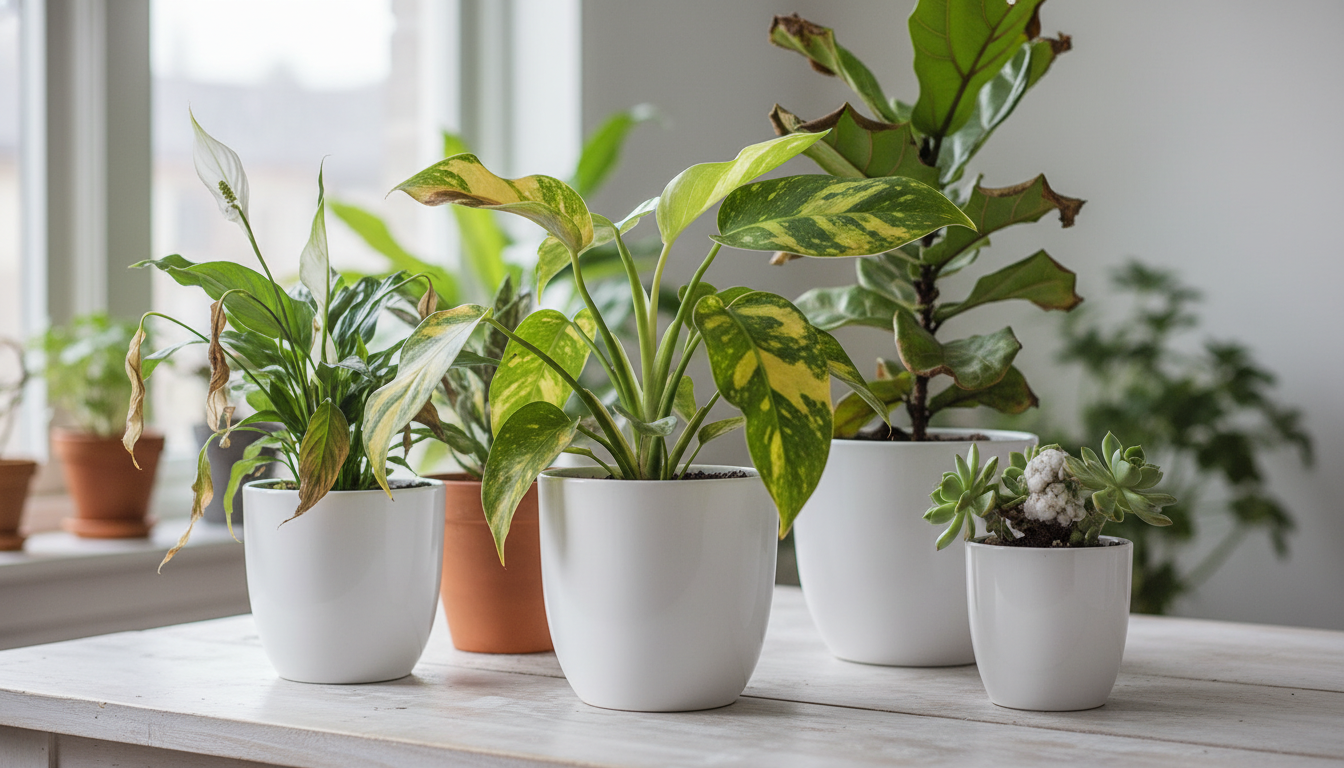
- Wilting: The plant may appear limp even if you are watering it correctly.
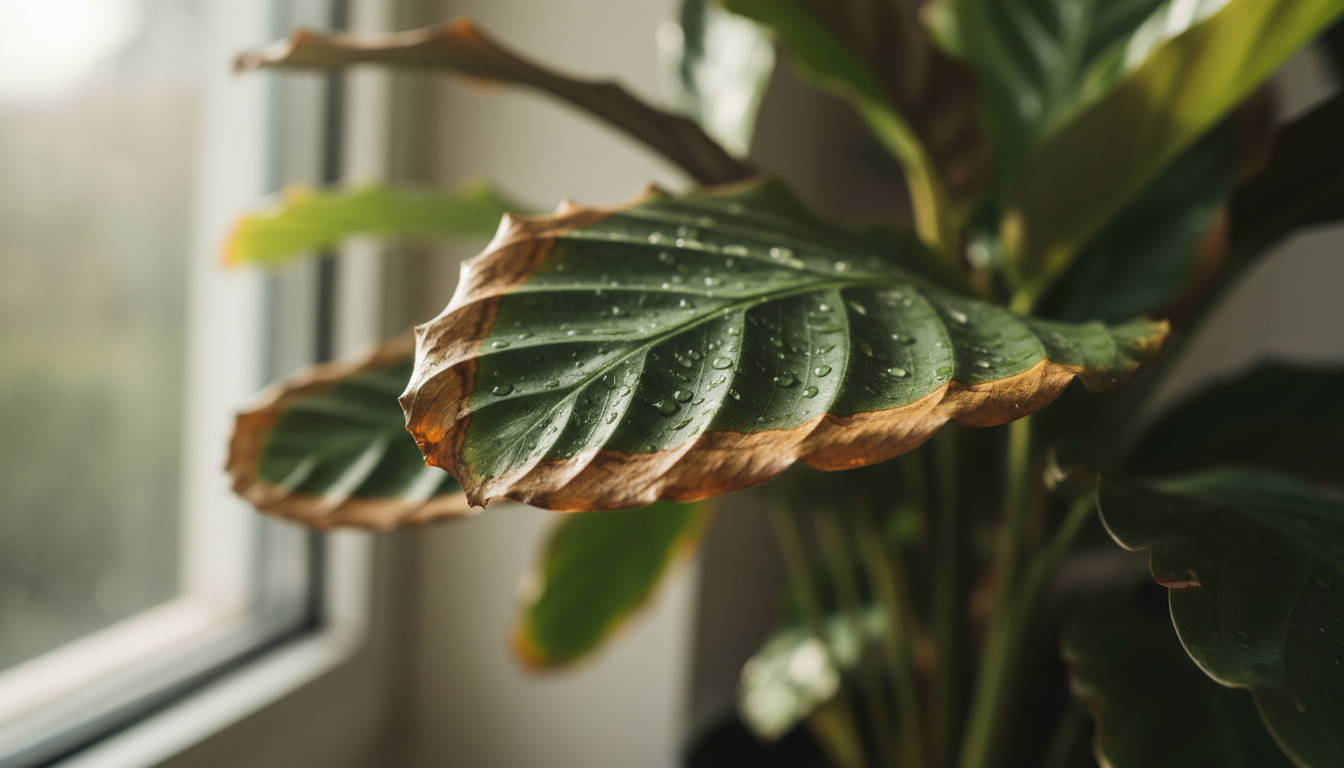
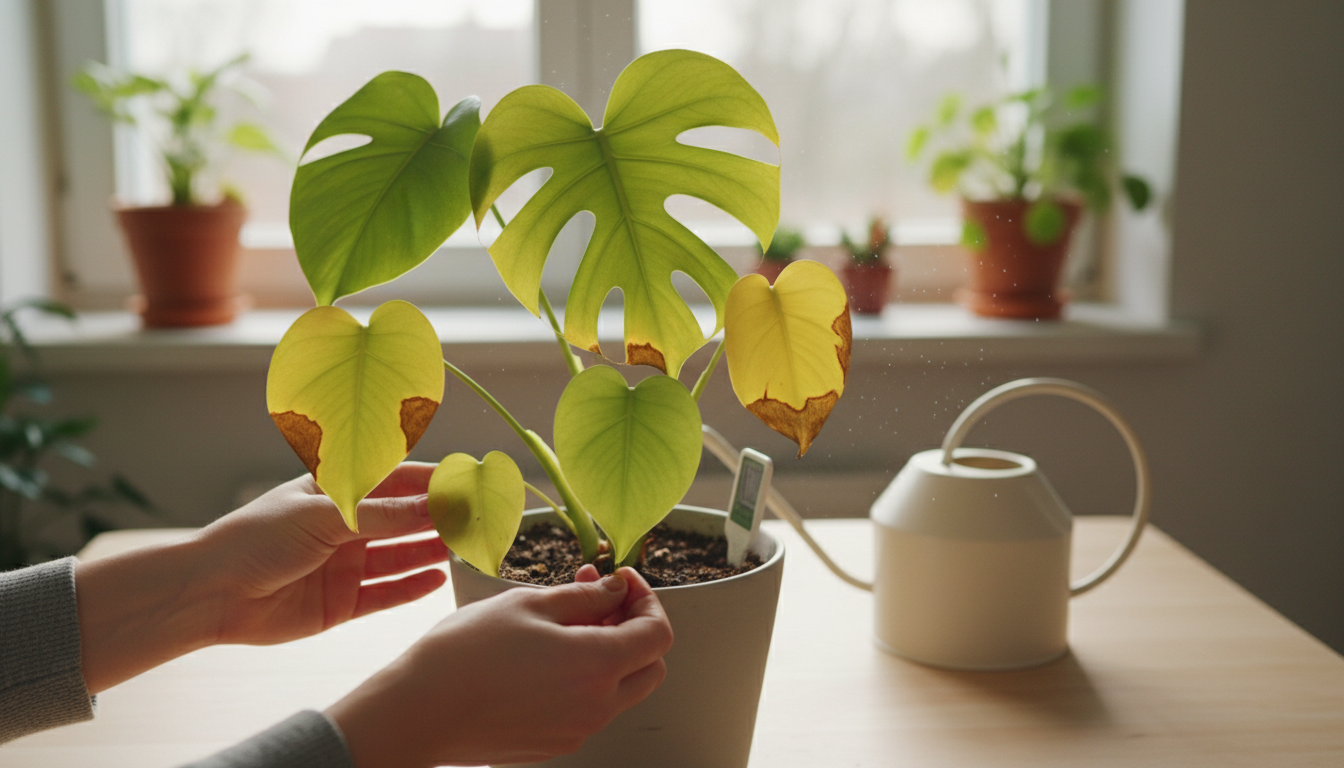
- Yellowing leaves: Leaves may turn yellow and drop off.
- Growth problems: The plant may stop growing or grow very slowly.
- Rotting smell: Upon inspecting the roots, you may notice an unpleasant odor, which is a sign of decay.
How to Prevent Root Rot
- Proper watering: Water the plant only when the top layer of soil is dry.
- Soil choice: Use light, well-draining soil that allows water to pass through freely.
- Drainage: Ensure that the pot has enough drainage holes.
Caring for your houseplants is not only enjoyable but also important! A proper understanding of root rot will help you maintain the health of your green friends.
How to Diagnose Root Rot?
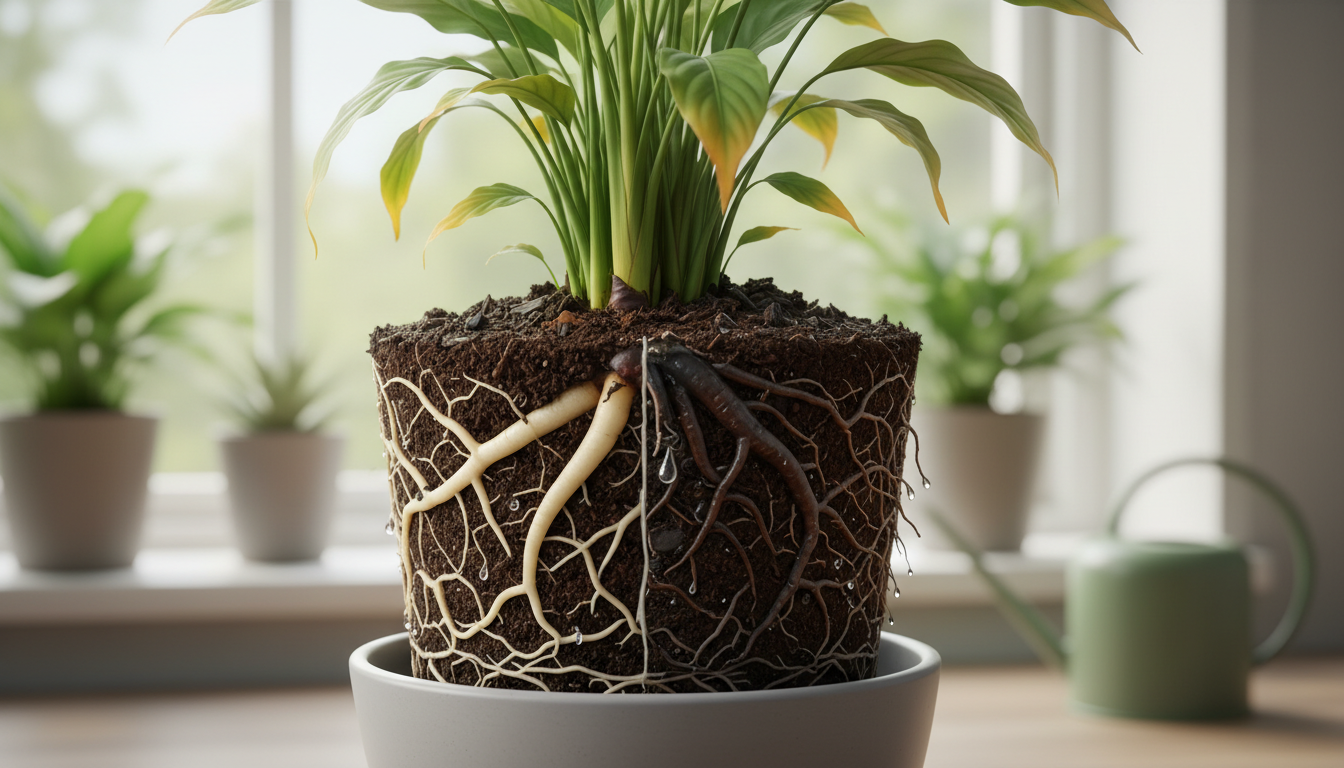
Diagnosing root rot is a key step in saving your plant. If you notice some of the symptoms listed below, it may be time to check the roots of your green friend.
External Signs
- Wilting: If your plant looks limp and does not respond to watering, this may be the first signal.
- Yellowing leaves: Pay attention to changes in leaf color. If they are yellowing and dropping off, this may indicate root problems.
- Slowed growth: If the plant has stopped growing or its growth has noticeably slowed, this may be related to root rot.
Checking the Roots
To accurately diagnose root rot, you need to inspect the roots:
- Gently remove the plant from the pot: Be careful not to damage the roots.
- Inspect the roots: Healthy roots should be white or light brown and firm. If you notice black, soft, or rotten roots, this is a clear sign of rot.
- Smell: If the roots emit an unpleasant odor, this also indicates the presence of rot.
Diagnostic Tips
- Check regularly: Regular inspection of the roots will help you identify problems at an early stage.
- Use clean tools: When inspecting the roots, use clean scissors or a knife to avoid transferring infections.
Remember that early diagnosis is half the success in combating root rot. By caring for your plants, you can prevent serious problems and maintain their health.
Steps to Treat Root Rot
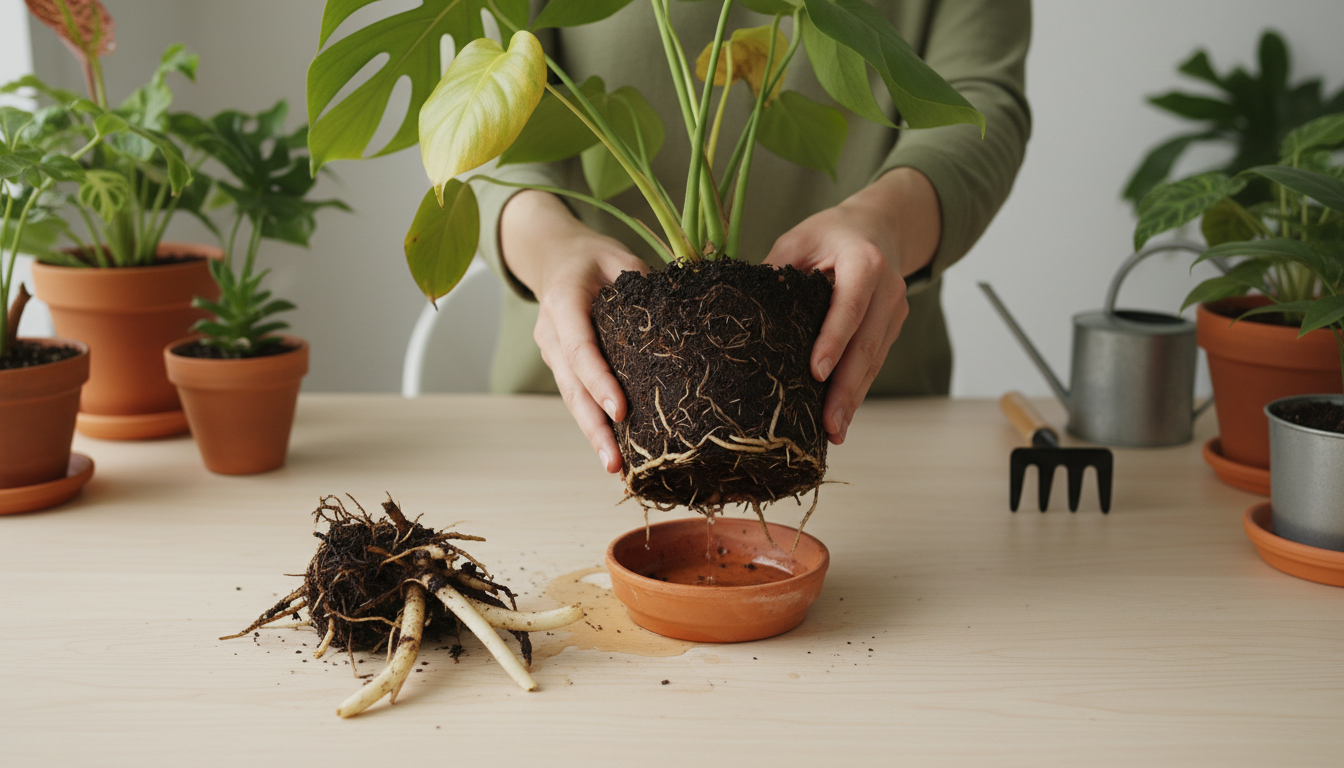
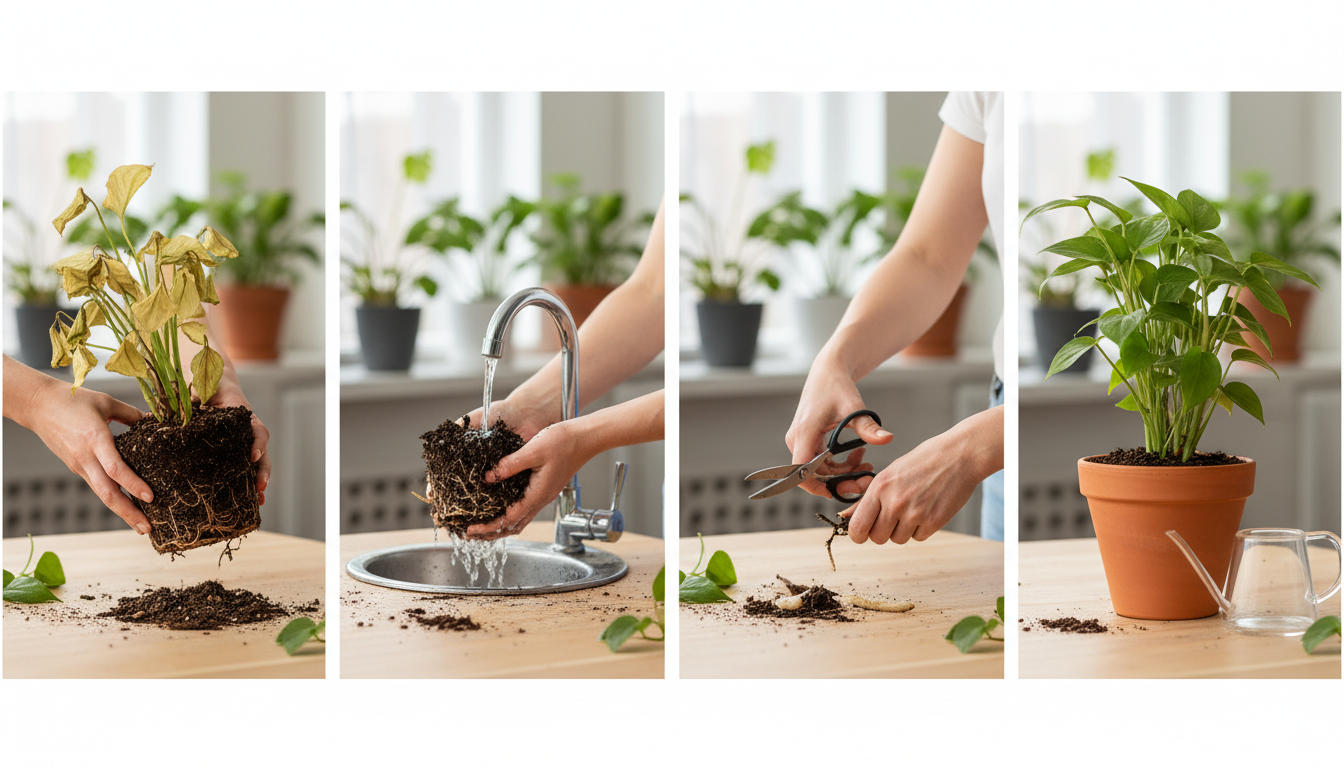
Treating root rot may seem like a complicated process, but with the right steps, you can save your plant. Here’s what you need to do:
1. Inspect the Plant
First, carefully inspect your plant for symptoms of root rot. Make sure to note any changes in the condition of the leaves and stems. If your suspicions are confirmed, move on to the next step.
2. Remove the Plant from the Pot
- Gently remove the plant: Carefully take the plant out of the pot, trying not to damage the roots.
- Clean the roots from the soil: Rinse the roots under warm water to remove soil residues and better see the condition of the roots.
3. Inspect the Roots
- Check the roots: Healthy roots should be white or light brown. If you see black, soft, or rotten roots, they should be removed.
- Removing damaged roots: Use sterile scissors to trim away all rotten or damaged areas.
4. Treat the Roots
- Apply a fungicide: After removing the damaged roots, it is recommended to treat the remaining roots with a fungicide to prevent re-infection.
- Dry the roots: Allow the roots to dry a bit in the air before repotting the plant.
5. Repotting
- Choose new soil: Use fresh, well-draining soil. This will help avoid the recurrence of root rot.
- Repot the plant: Carefully place the plant in a new pot with new soil, ensuring that the drainage holes are not blocked.
6. Post-Repotting Care
- Watering: Water the plant moderately, allowing the top layer of soil to dry between waterings.
- Monitoring: Keep an eye on the plant's condition over the next few weeks to ensure it is recovering.
Helpful Tips
- Avoid overwatering: Remember, it’s better to underwater than to overwater.
- Regularly check the roots: Periodic root checks will help you detect problems early.
By following these steps, you can effectively deal with root rot and restore your plant's health and vigor!
Preventing Root Rot
Preventing root rot is an important aspect of caring for houseplants. Here are some simple yet effective tips to help you keep your green friends healthy.
Proper Watering
- Focus on the soil: Water the plant only when the top layer of soil to a depth of 2-3 cm is dry. This will help avoid overwatering.
- Use drainage: Ensure that the pot has enough drainage holes so that excess water can escape freely.
Soil Choice
- Light and breathable soil: Use special potting soil that drains well and does not retain moisture.
- Adding perlite or vermiculite: These additives will improve drainage and aeration of the soil.
Growing Conditions
- Temperature and lighting: Keep plants in a warm, well-lit place, avoiding cold drafts.
- Regular checks: Periodically inspect the roots and leaves for signs of wilting or yellowing.
Additional Tips
- Avoid overcrowding: Ensure that plants have enough space to grow to avoid competition for water and nutrients.
- Clean tools: Use clean pots and tools when repotting or pruning to prevent infection.
By following these simple recommendations, you can significantly reduce the risk of root rot and ensure your plants have a healthy and happy existence!
Tips for Recovering a Plant After Treatment
After successfully dealing with root rot, it is important to care for the plant properly so that it recovers and once again delights you with its health. Here are some tips to help your green friend come back to life.
1. Moderate Watering
After repotting, give the plant time to adapt. Water it moderately to avoid triggering a recurrence of rot. Ensure that the top layer of soil is dry before watering again.
2. Maintaining Optimal Conditions
- Temperature: Keep the plant in a warm place, avoiding cold drafts.
- Light: Provide adequate light, but avoid direct sunlight that can damage the leaves.
3. Fertilizing
After the roots have recovered and new leaves appear, you can start adding fertilizers. Use a balanced fertilizer to help the plant regain strength. But be careful — don’t overdo it with the dosage!
4. Monitoring Condition
Regularly check your plant for signs of stress or new problems. Pay attention to leaf color and overall appearance. If you notice changes, take action immediately.
5. Creating a Comfortable Environment
- Humidity: Some plants prefer higher humidity. Use a humidifier or place a tray with water and stones near the plant to increase humidity.
- Cleanliness: Remove dust from the leaves so the plant can photosynthesize effectively.
Helpful Tips
- Patience: Recovery may take time, so be patient and give the plant a chance to adapt.
- Regular Care: Maintain a regular watering and inspection schedule to prevent recurring problems.
By following these simple recommendations, you can help your plant recover and bloom again!