How Often to Water Houseplants: The Perfect Watering Schedule
Why is a Proper Watering Schedule Important?
A proper watering schedule is one of the key aspects of caring for houseplants. If you want your green friends to delight you with their health and beauty, it's important to understand how often they need to drink. Let's explore why this is so important.
Maintaining Plant Health
Improper watering can lead to various problems, such as:
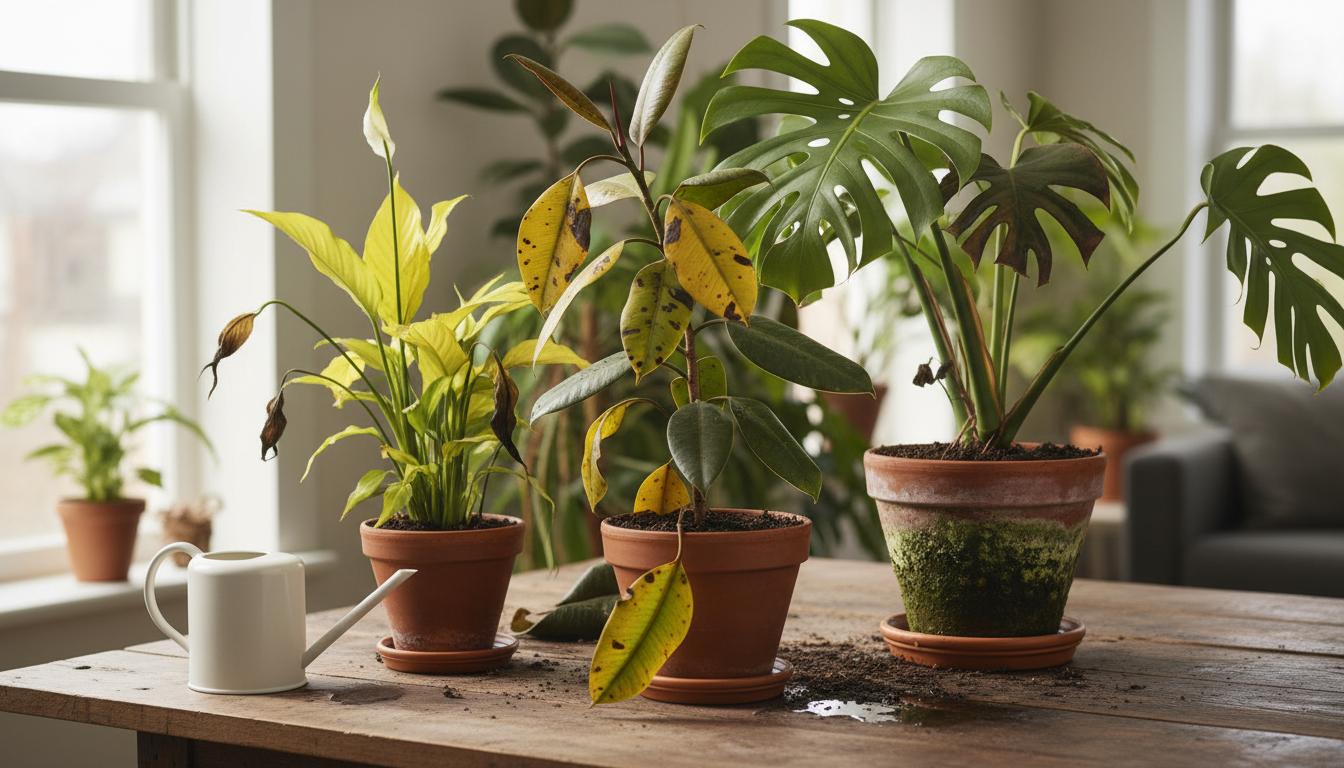
- Overwatering: Excess water can cause root rot and diseases like root rot.
- Underwatering: If plants do not receive enough moisture, they may wilt, and this can eventually lead to their death.
Considering the Needs of Each Plant
Each plant is unique and has its own watering requirements. For example:
- Succulents: These plants require much less water than, say, ficuses or ferns.
- Seasonal Changes: In summer, plants generally require more water due to increased temperatures and sunlight, while in winter, water consumption decreases.
How to Create a Watering Schedule
Here are some tips to help you create the perfect watering schedule for your houseplants:
- Learn the needs of your plants: Find out how much water each of your plants needs.
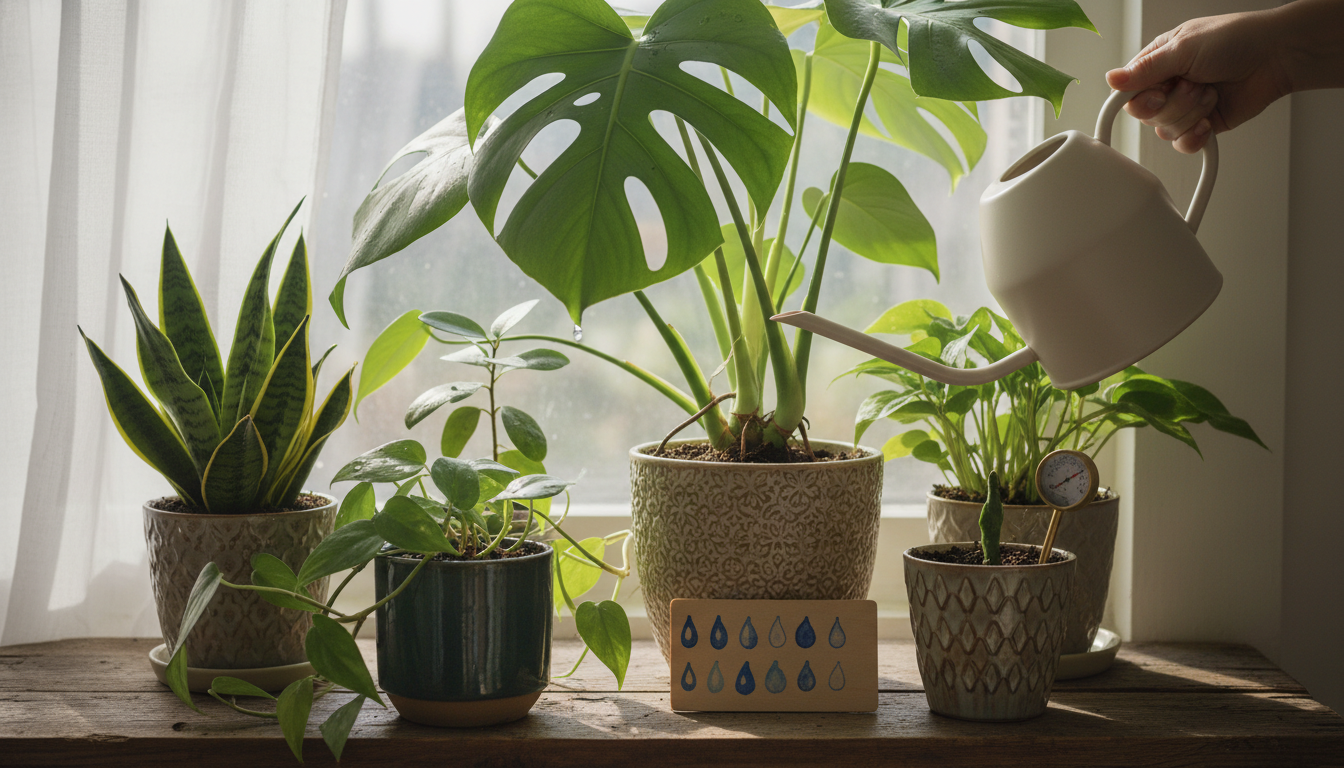
- Check soil moisture: Before watering, check how moist the soil is. Insert your finger a few centimeters into the soil—if it's dry, it's time to water.
- Monitor changes: Pay attention to changes in growth and appearance of the plants. This will help you adjust the watering schedule as needed.
A proper watering schedule is not only about caring for the plants but also about enjoying their beauty and health. Take care of your green friends, and they will respond with vibrant leaves and flowers!
Factors Affecting Watering Frequency
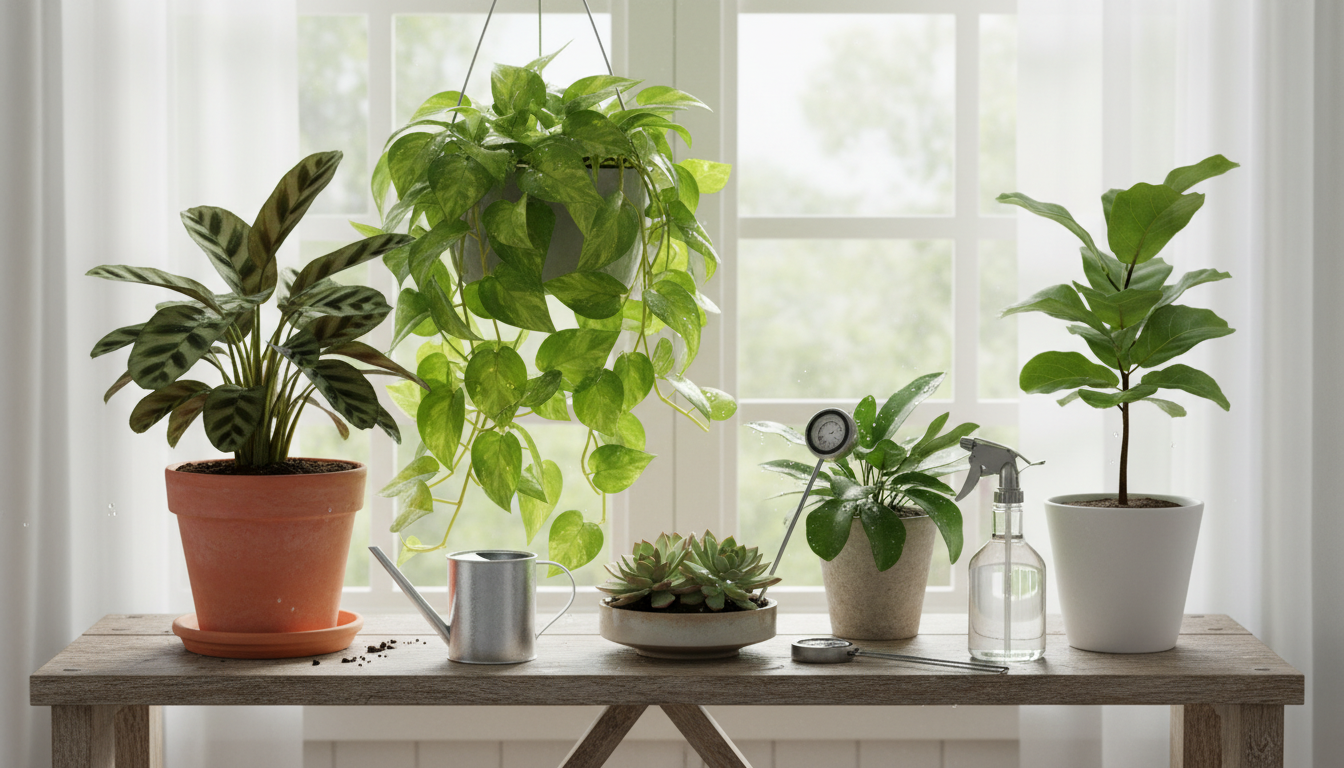
The frequency of watering houseplants depends on many factors that can vary depending on your home's conditions and the type of plant. Let's look at the main ones.
Type of Plant
Different plants have different water needs. For example:
- Succulents and Cacti: These plants store water in their leaves and stems, so they require less frequent watering.
- Leafy Plants: For example, monstera or ferns need more frequent watering, especially during warm weather.
Environmental Conditions
- Temperature and Humidity: In warm and dry conditions, plants lose moisture faster. In summer, when temperatures rise, they may require more water.
- Lighting: Plants under bright sunlight also evaporate moisture faster. Make sure to consider the light level when creating your watering schedule.
Soil Composition and Pot Size
- Drainage: Soils with good drainage allow water to pass through more quickly, which can reduce the frequency of watering.
- Pot Size: Larger pots can retain more moisture, so plants in them may require less frequent watering than plants in smaller pots.
Time of Year
- Seasonal Changes: As mentioned, during the summer, plants need more water, while in winter, this consumption significantly decreases.
Helpful Tips
- Regularly check moisture: Use a moisture meter or simply insert your finger into the soil a couple of centimeters to determine if water is needed.
- Observe your plants: If leaves start to wilt or turn yellow, this may be a sign that your plant needs more or, conversely, less water.
Understanding these factors will help you establish a proper watering schedule and provide your plants with optimal conditions for growth and development. Take care of your green friends, and they will delight you with their splendor!
How to Determine When to Water Plants?
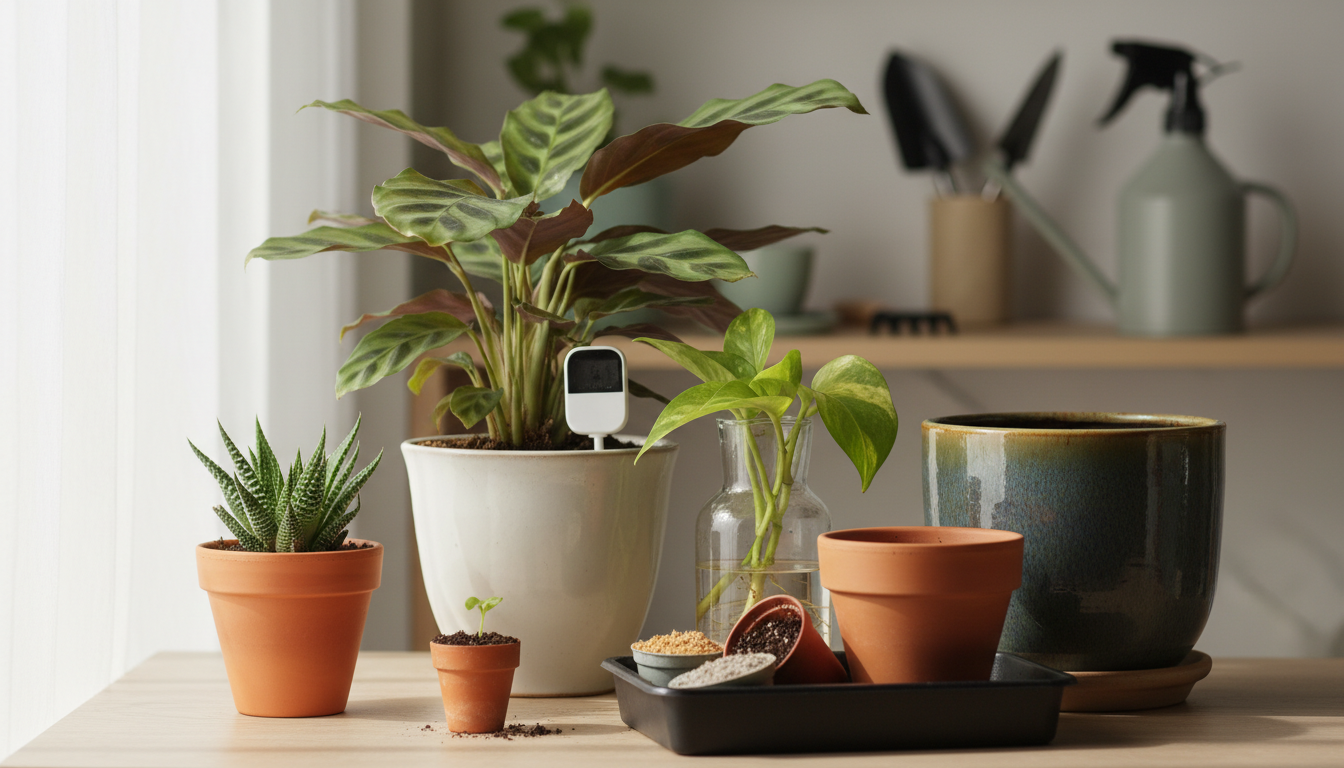
Watering is not just a routine; it is an important part of caring for your green favorites. To understand when exactly to water your plants, pay attention to several key signs.
Checking Soil Moisture
One of the simplest and most effective ways to determine the need for watering is to check the soil moisture. Here’s how to do it:
- Use your finger: Insert your finger into the soil to a depth of about 2-3 cm. If the soil is dry, it’s time to water. If it’s moist, wait a bit.
- Moisture Meter: If you have a moisture meter, it’s a great tool for accurately measuring the moisture level in the soil.
Appearance of the Plant
Observe the condition of your plants. Here are some signs that may indicate the need for watering:
- Wilting Leaves: If the leaves have become soft and droopy, this may be a sign of lack of water.
- Yellowing Leaves: This can be a sign of either lack or excess moisture, so it’s important to consider other factors as well.
Environmental Conditions
Don’t forget to consider the conditions in which your plants are located:
- Temperature: On hot days, plants may need more water.
- Humidity: In dry air, plants lose moisture faster, so they may need to be watered more frequently.
Seasonal Changes
The change of seasons also affects the water needs of plants. In summer, when temperatures are higher, plants usually require more moisture, while in winter, their water consumption decreases. Therefore, be sure to adjust your watering schedule according to the time of year.
Helpful Tips
- Keep a watering schedule: Keeping records of when and how much you watered your plants will help you better understand their needs.
- Don’t rush to water: It’s better to underwater than overwater. If you have doubts, wait another day or two.
By following these simple recommendations, you can easily determine when your plants need watering and provide them with optimal conditions for growth and development. Take care of your green friends, and they will respond with lush blooms and healthy leaves!
Optimal Watering Schedule for Different Plants
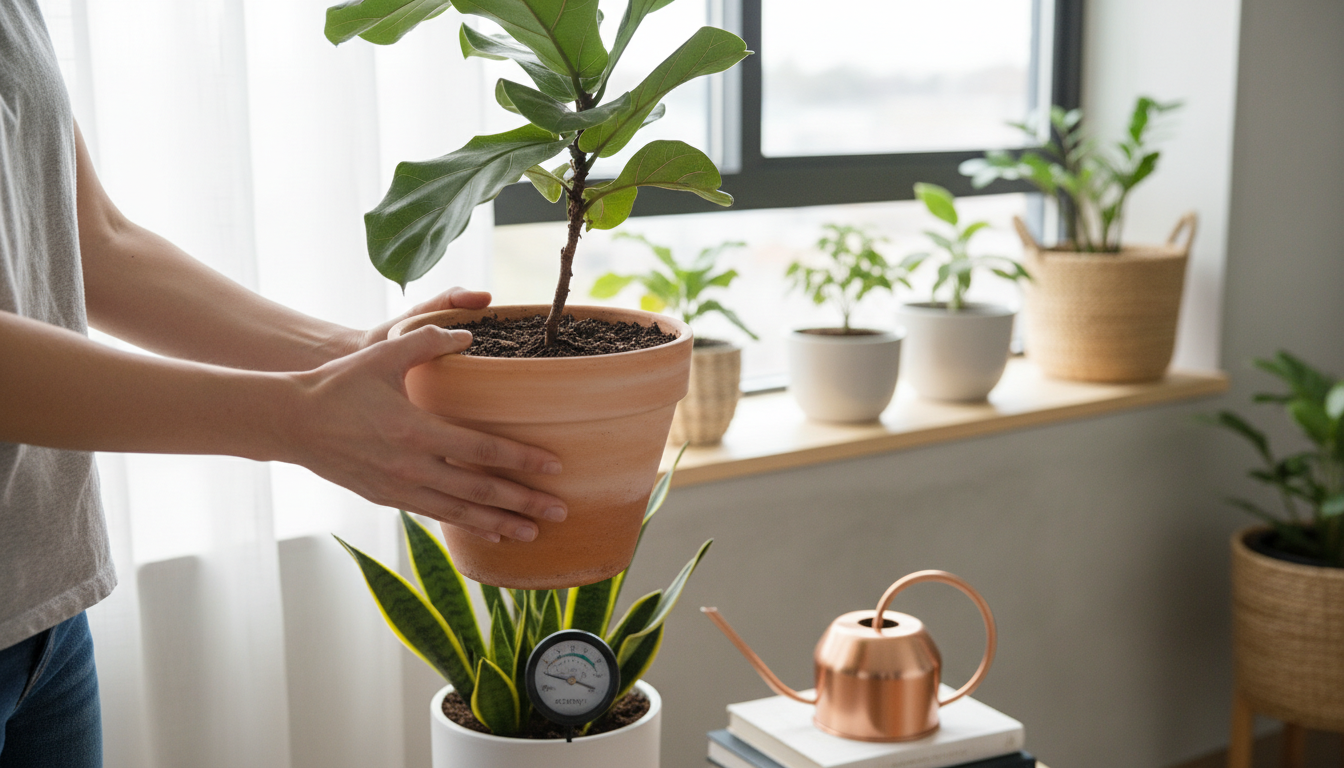
Creating an optimal watering schedule for your houseplants is key to their health and beauty. Different plants have different needs, and it’s important to consider their characteristics. Let’s take a closer look at how to create the perfect watering schedule for various types of plants.
1. Succulents and Cacti
Succulents and cacti are true champions of water conservation. They can manage with minimal watering, as they store moisture in their leaves and stems. It is recommended to water them once every 2-3 weeks, especially during the summer. In winter, watering can be reduced to once a month.
2. Leafy Plants
Leafy plants, such as monstera, ferns, and ficuses, require more frequent watering. During warm weather, they should be watered once a week, and in winter—every 10-14 days. It’s important to monitor the soil condition and avoid letting it dry out.
3. Flowering Plants
Flowering plants, such as geraniums or fuchsias, need regular watering, especially during flowering. They are usually watered 1-2 times a week. Pay attention to soil moisture and leaf condition—if they start to wilt, that’s a sign it’s time to water.
4. Shade-Loving Plants
Shade-loving plants, such as peace lilies or sansevieria, may require less water. Water them every 10-14 days, but also check the soil moisture to avoid overwatering.
Helpful Watering Tips
- Check moisture: Always check the soil moisture before watering. You can do this by inserting your finger 2-3 cm into the soil.
- Observe your plants: Pay attention to changes in your plants' condition. Wilting or yellowing leaves may signal a lack or excess of water.
- Create a schedule: Keeping records of watering will help you better understand the needs of each plant and avoid mistakes.
A proper watering schedule is the key to the health of your houseplants. Care for them with love, and they will delight you with their splendor!
Mistakes in Watering and How to Avoid Them
Watering houseplants is an art that requires attention and understanding. Often, novice gardeners make mistakes that can negatively affect the health of the plants. Let’s look at the main mistakes and how to avoid them.
1. Overwatering
One of the most common mistakes is overwatering. When water accumulates in the pot, the roots begin to rot. To avoid this problem:
- Ensure proper drainage: Use pots with holes at the bottom to drain excess water.
- Check the soil: Before watering, insert your finger into the soil 2-3 cm. If it’s moist, wait to water.
2. Underwatering
Lack of water can also lead to serious problems. Plants begin to wilt and lose leaves. To avoid underwatering:
- Stick to a watering schedule: Determine how often each plant needs watering and stick to that schedule.
- Monitor plant condition: If leaves start to droop, this may signal that the plant needs more moisture.
3. Ignoring Seasonality
The water needs of plants change depending on the time of year. In summer, plants require more water, while in winter, they need less. To avoid this mistake:
- Adjust your watering schedule: Increase watering frequency in summer and reduce it in winter.
4. Not Considering Plant Type
Each plant has its unique water needs. For example, succulents require much less moisture than tropical plants. To avoid mistakes:
- Learn your plants' requirements: Familiarize yourself with watering recommendations for each species.
Helpful Tips
- Keep records: Write down when and how much you watered each plant. This will help you better understand their needs.
- Communicate with your plants: Listen to your plants. If they look unwell, it may be time to reconsider your watering routine.