5 Signs of Overwatering Large Plants: How to Identify Overwatering?
Why is Overwatering Harmful to Plants?
Overwatering is one of the most common mistakes made by gardeners, especially beginners. While water is essential for plant life, too much of it can do more harm than good. Let’s explore why overwatering is so dangerous.
1. Root Rot
One of the main consequences of overwatering is root rot. When roots are in overly moist conditions, they begin to suffer from a lack of oxygen, which can lead to their destruction. This, in turn, hampers the plant's ability to absorb nutrients and water.
2. Fungal Growth and Mold
Excess moisture in the soil creates ideal conditions for the development of fungi and mold. These microorganisms can not only damage the root system but also cause diseases that can spread to the entire plant.
3. Wilting Leaves
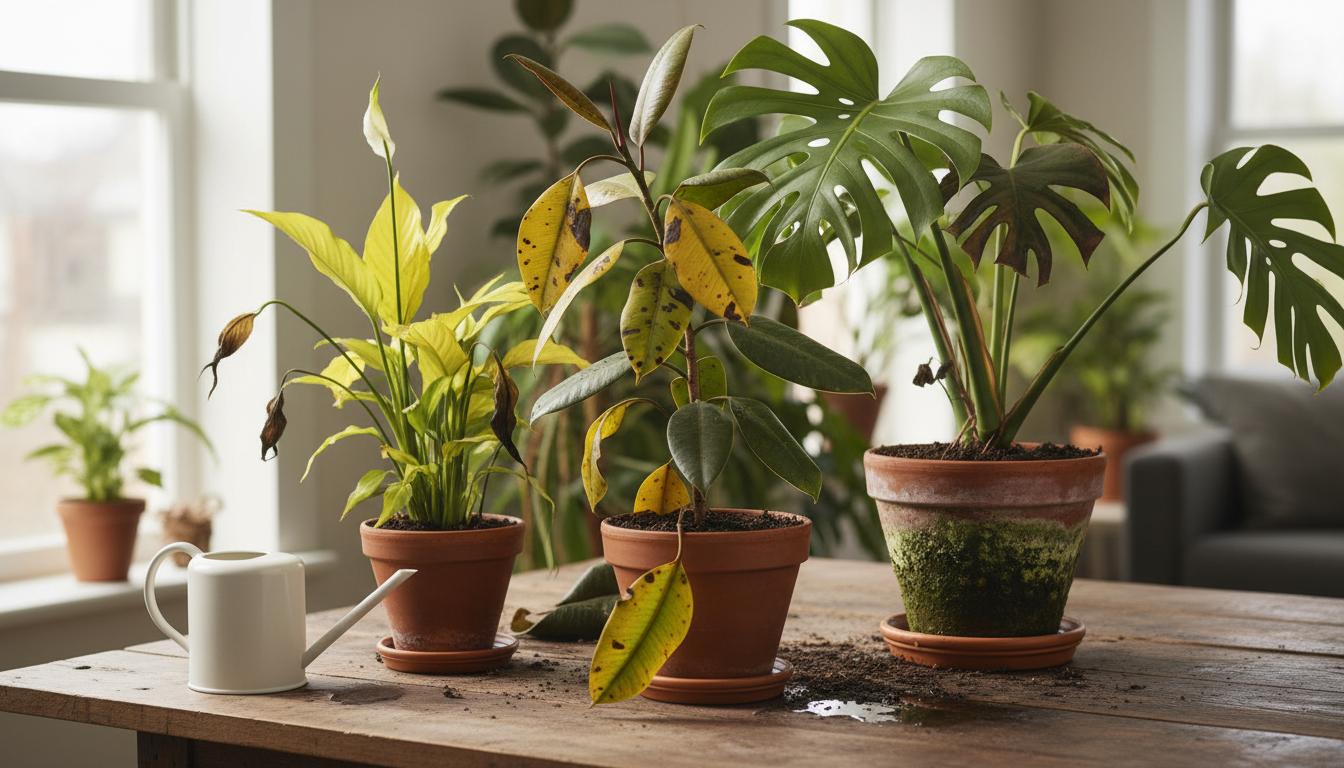
Although it may seem that overwatered plants should look healthy, they can actually start to wilt. Leaves may turn yellow and drop off, which is a sign of stress caused by a lack of oxygen in the roots.
4. Slowed Growth
When roots are damaged, the plant cannot properly absorb nutrients. This leads to slowed growth and, ultimately, weak development. If your plant has stopped growing, the problem may be overwatering.
5. Change in Soil Color and Texture
If you notice that the top layer of soil has become darker and wetter, this may be a sign of overwatering. Additionally, the soil may become too compact or even boggy, which also indicates excess moisture.
Tips to Prevent Overwatering
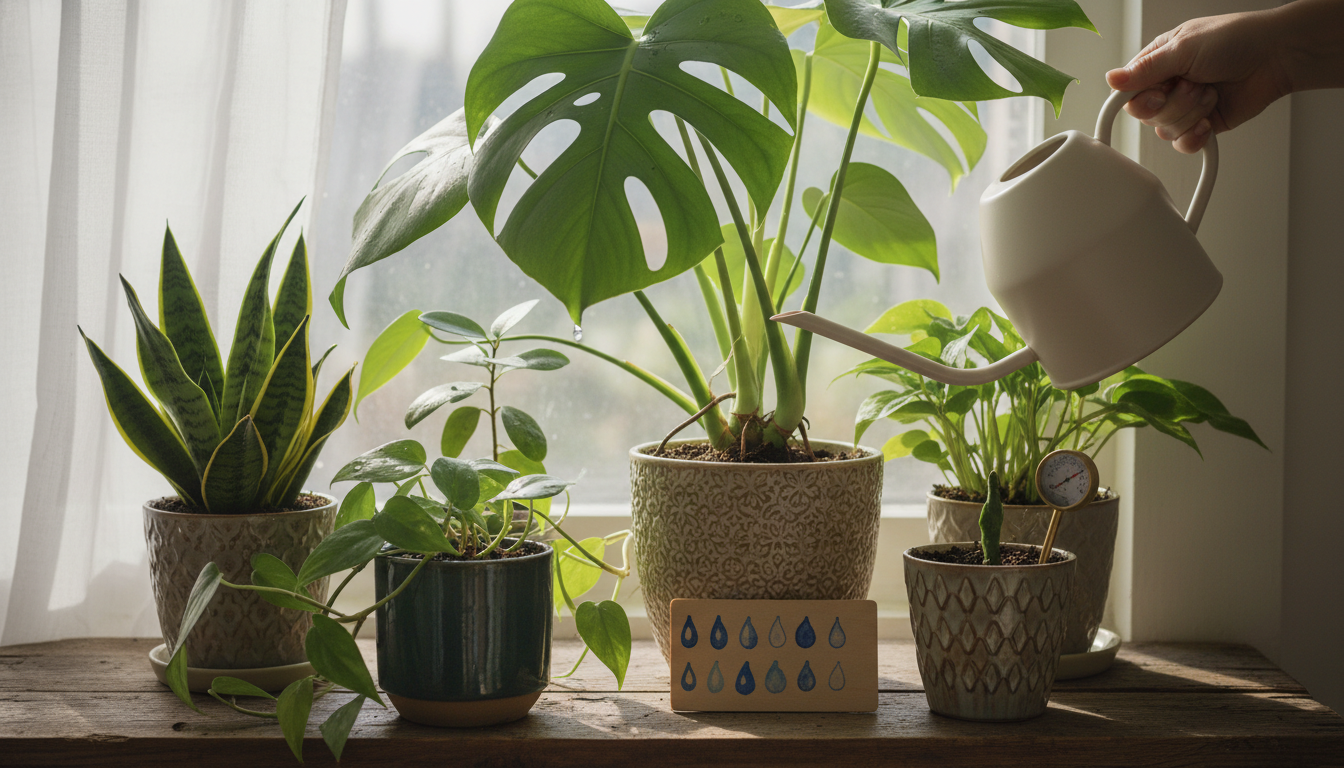
- Check Soil Moisture: Use your fingers or a moisture meter to ensure the soil is not too wet before watering.
- Use Drainage Holes: Make sure the pot has drainage holes so excess water can drain freely.
- Choose the Right Soil: Use soil that drains water well and allows roots to breathe.
By following these tips, you can avoid overwatering issues and keep your plants healthy and happy!
Sign 1: Yellowing Leaves
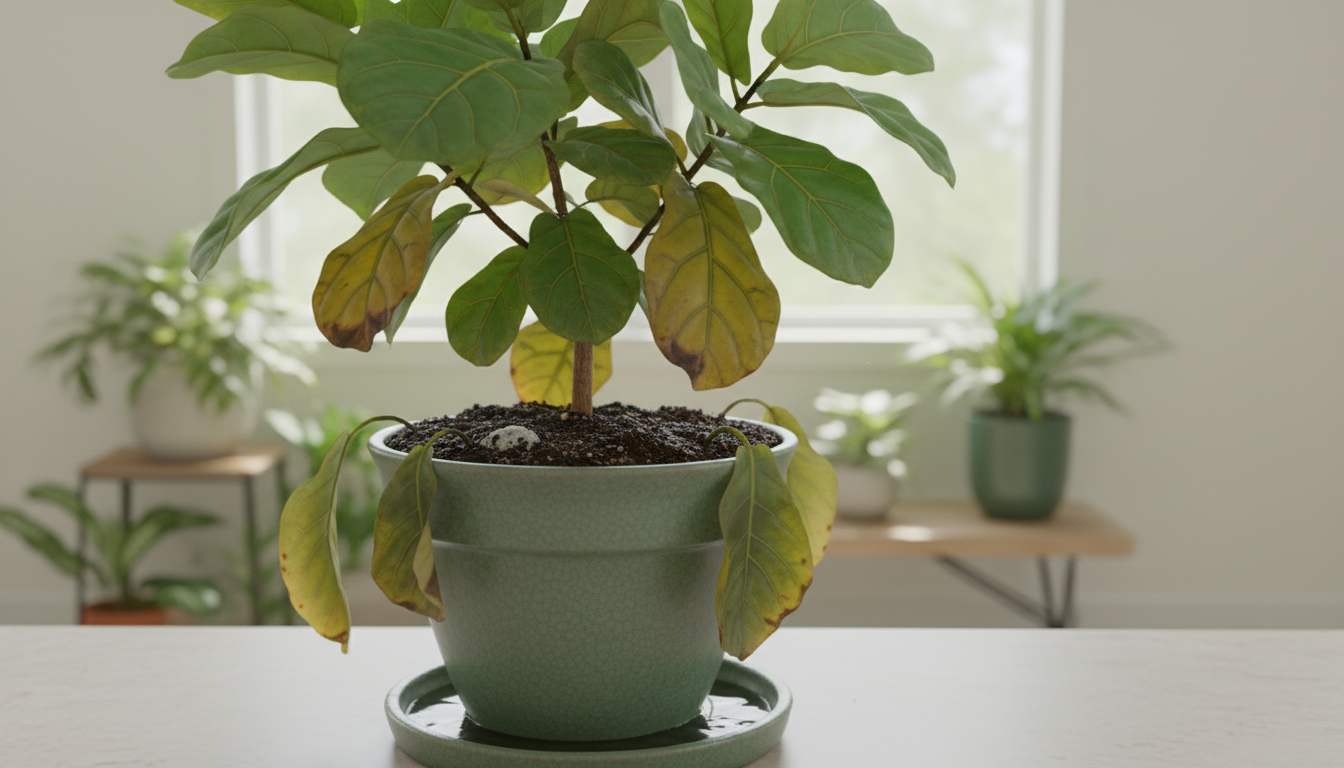
Yellowing leaves are one of the most obvious signs that your plant may be suffering from overwatering. This symptom is easy to notice, and it’s important not to ignore it, as it signals serious problems with the root system.
Why Do Leaves Yellow?
When a plant's roots are in overly moist conditions, they begin to experience stress. This leads to a lack of oxygen, which in turn hinders the plant's ability to absorb nutrients. As a result, the leaves lose their vibrancy and start to yellow.
How to Recognize Yellowing Leaves?
- Color: Leaves become pale or yellow, especially at the bottom of the plant.
- Texture: Leaves may appear soft and wilted.
- Dropping: In some cases, yellowing leaves may drop off, indicating serious damage.
What to Do If Your Plants Are Yellowing?
-
Check Soil Moisture: Use your fingers or a moisture meter to ensure the soil is not too wet. If it feels damp, it’s better to wait before watering.
-
Adjust Watering Schedule: If you notice your plant frequently yellowing, it may be time to reduce the frequency of watering.
-
Improve Drainage: Ensure that the pot has drainage holes, and if necessary, repot the plant in more suitable soil that provides good drainage.
-
Check the Roots: If the problem persists, gently remove the plant from the pot and inspect the roots. If they are black and soft, this is a sign of rot, and such roots should be trimmed.
By following these recommendations, you can restore your plants' health and prevent further overwatering issues!
Sign 2: Soft and Wilting Leaves
Soft and wilting leaves are one of the most common signs indicating that your plant may be suffering from overwatering. This symptom often results from root system dysfunction, and it’s important to recognize it as early as possible.
Why Do Leaves Become Soft?
When a plant's roots are submerged in excess moisture, they lose the ability to absorb oxygen. This leads to the leaves not receiving enough nutrients and starting to wilt. As a result, they become soft and limp.
How to Recognize Soft and Wilting Leaves?
- Texture: Leaves lose their firmness and feel soft to the touch.
- Appearance: They may appear darkened or even slightly translucent.
- Position: Wilting leaves may droop down, which is also a sign of stress.
What to Do If Your Leaves Are Soft and Wilting?
-
Check Soil Moisture: Use your fingers or a moisture meter to ensure the soil is not too wet. If it is soggy, it’s better to wait before watering.
-
Improve Drainage: Ensure that the pot has drainage holes. If necessary, repot the plant in a pot with better drainage.
-
Adjust Watering Schedule: If your leaves continue to remain soft, it may be time to reduce the frequency of watering. Remember, it’s better to underwater than to overwater.
-
Check the Roots: If the problem persists, gently remove the plant from the pot and inspect the roots. Healthy roots should be white and firm. If you notice black or soft areas, this is a sign of rot, and such roots should be trimmed.
By following these recommendations, you can restore your plants' health and prevent further overwatering issues!
Sign 3: Fungal Infections and Mold
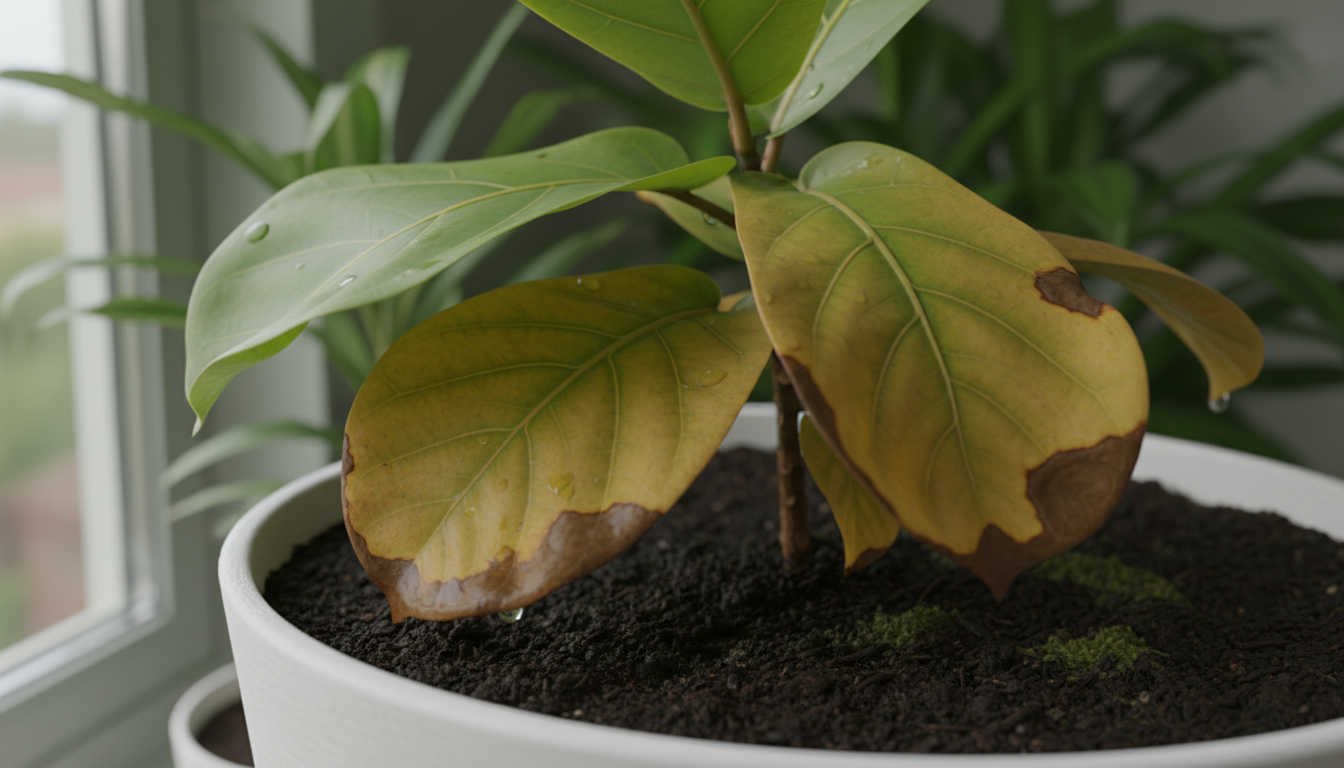
When your plants receive too much water, it creates ideal conditions for fungal infections and mold. These unwanted guests can seriously harm your green friend and even lead to its demise if measures are not taken in time.
How to Recognize Fungal Infections and Mold?
- Appearance: Look for white or gray mold on the surface of the soil or on the leaves. This may be a sign of mold.
- Odor: An unpleasant, musty smell from the pot also indicates the presence of rot or fungus.
- Leaves: If leaves start to develop brown or black spots, this may be a sign of a fungal infection.
What to Do If You Notice Mold or Fungi?
-
Remove Affected Areas: If you find mold on the surface of the soil, gently remove the top layer and replace it with fresh soil.
-
Check Drainage: Ensure that the drainage holes in the pot are not blocked. This will help prevent excess moisture accumulation.
-
Reduce Watering Frequency: If your plants are prone to fungal infections, it may be wise to decrease the amount of watering. Allow the soil time to dry out.
-
Use Fungicides: In cases of serious infections, specialized fungicides may be required to combat the fungi. Be sure to follow the instructions on the packaging.
Tips to Prevent Fungal Infections
- Choose the Right Soil: Use loose, well-draining soil that does not retain moisture.
- Ventilate Plants: Ensure adequate air circulation around your plants, especially if they are indoors.
- Regularly Inspect Plants: Periodically check leaves and soil for signs of disease to take action early.
By following these recommendations, you can protect your plants from fungal infections and mold, keeping them healthy and beautiful!
Sign 4: Spots on Leaves
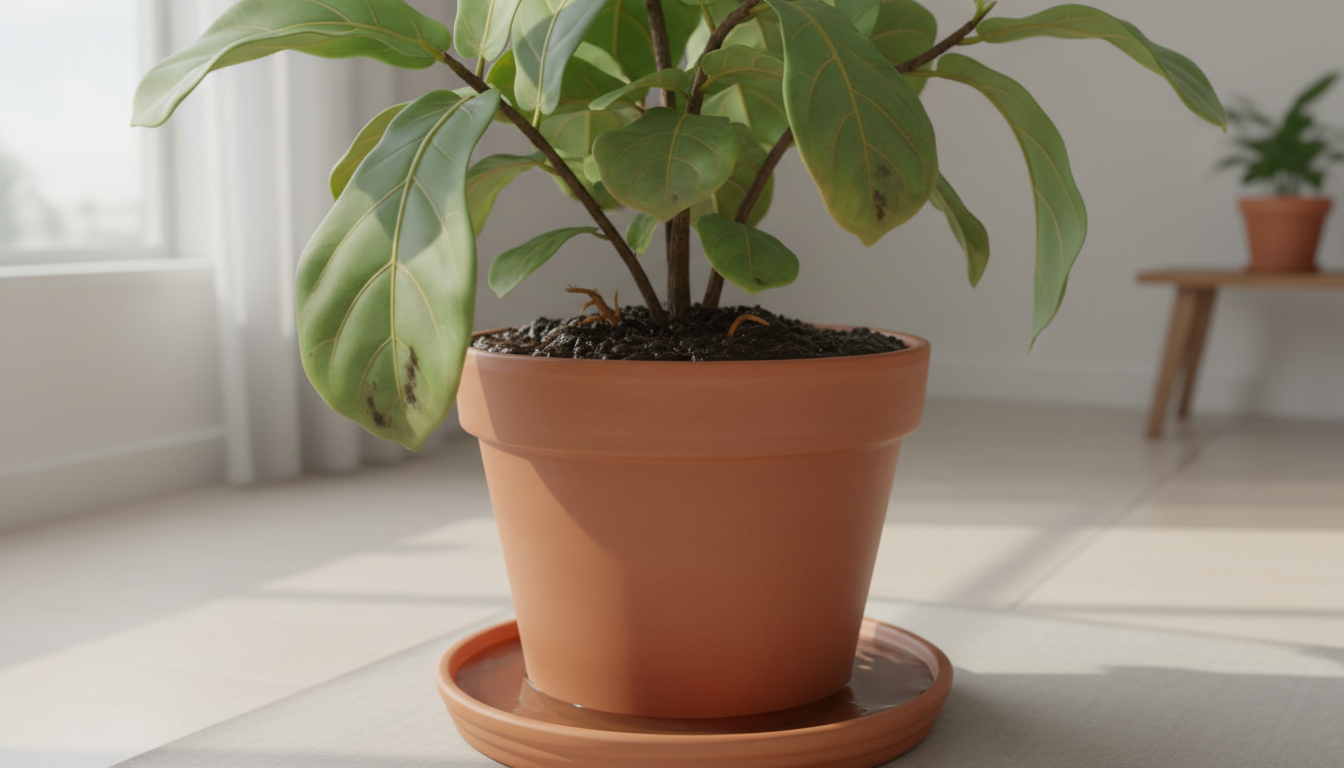
Spots on leaves are another alarming signal that may indicate overwatering. If you notice brown or black spots on your plant's leaves, this may be a sign that your green friends are suffering from excess moisture.
Why Do Spots Appear?
When the soil is too moist, the roots cannot receive enough oxygen, leading to stress and rot. This, in turn, causes spots to appear on the leaves, which may increase over time and lead to the plant wilting.
How to Recognize Spots on Leaves?
- Color: Spots can be brown, black, or yellow, depending on the extent of the damage.
- Shape: Spots can be round or irregularly shaped, often with a yellow halo around them.
- Texture: Damaged areas may feel soft or watery to the touch.
What to Do If You Notice Spots on Leaves?
-
Check Soil Moisture: Use your fingers or a moisture meter to determine the moisture level. If the soil is too wet, allow it some time to dry out before the next watering.
-
Improve Drainage: Ensure that the pot has drainage holes that are not blocked. This will help avoid excess moisture accumulation.
-
Remove Affected Leaves: If the spots are pronounced, carefully trim the damaged leaves to prevent the problem from spreading to healthy parts of the plant.
-
Repot the Plant: If the problem persists, it may be time to repot the plant in fresh, well-draining soil.
Tips to Prevent Spot Formation
- Regularly Check Plants: Periodically inspect leaves for spots and other signs of disease.
- Don’t Forget About Watering: Ensure you only water the plant when it is truly necessary. It’s better to underwater than to overwater.
- Ensure Good Air Circulation: Make sure your plants are not in overly moist conditions, which can promote the development of spots and other diseases.
By following these recommendations, you can maintain the health of your plants and prevent spots from appearing on the leaves!
Sign 5: Roots Rotting from Excess Water
Roots are the foundation of your plant's health. If they start to rot due to excess water, it can lead to serious problems and even the death of your green friend. Let’s explore how to recognize root rot and what to do about it.
How to Recognize Root Rot?
- Odor: One of the first signs is an unpleasant musty smell from the pot. This indicates that the roots have begun to decay.
- Appearance of Roots: Healthy roots should be white and firm. If you see dark roots that are soft or slimy to the touch, this is a sign of rot.
- Leaf Problems: If your plant's leaves start to yellow or drop off, this may be a result of root problems.
What to Do If You Notice Root Rot?
-
Check the Soil: Ensure that the soil is not too wet. If it is soggy, wait before watering and allow it to dry out a bit.
-
Remove the Plant: Gently take the plant out of the pot and inspect the roots. If you notice rotting areas, they need to be trimmed with sterile scissors.
-
Repot the Plant: Repot the plant in fresh, well-draining soil. This will help prevent further root rot.
-
Improve Drainage: Ensure that the pot has drainage holes, and add some perlite or sand to the soil to improve drainage.
Tips to Prevent Root Rot
- Regularly Check Moisture Levels: Use a moisture meter or just your fingers to ensure the soil is not too wet.
- Follow a Watering Schedule: Water the plant only when it is truly necessary. It’s better to underwater than to overwater.
- Choose the Right Pot: Ensure that your pot has drainage holes and is not too large for the plant to avoid water stagnation.