The Best Houseplants for Low Light
Why Choosing Plants for Low Light is Important?
Choosing plants for low-light environments is not just a matter of aesthetics, but also of caring for the health of your green friends. Many of us face the problem of insufficient light in our apartments, especially during the winter months or in rooms with small windows. Therefore, it is important to know which plants can thrive in such conditions.
Advantages of Low Light Plants
-
Improving Air Quality: Plants, even in low light conditions, continue to perform their primary function — purifying the air. They absorb carbon dioxide and release oxygen, making your space more comfortable.
-
Aesthetic Appeal: Plants add coziness and liveliness to the interior. Even in dark corners, they can become a bright accent if the right species are chosen.
-
Minimal Care: Many plants adapted to low light do not require frequent watering and care. This makes them ideal for busy people or those just starting their journey into the world of houseplants.
Which Plants to Choose?
Here are some popular plants that thrive in low light conditions:
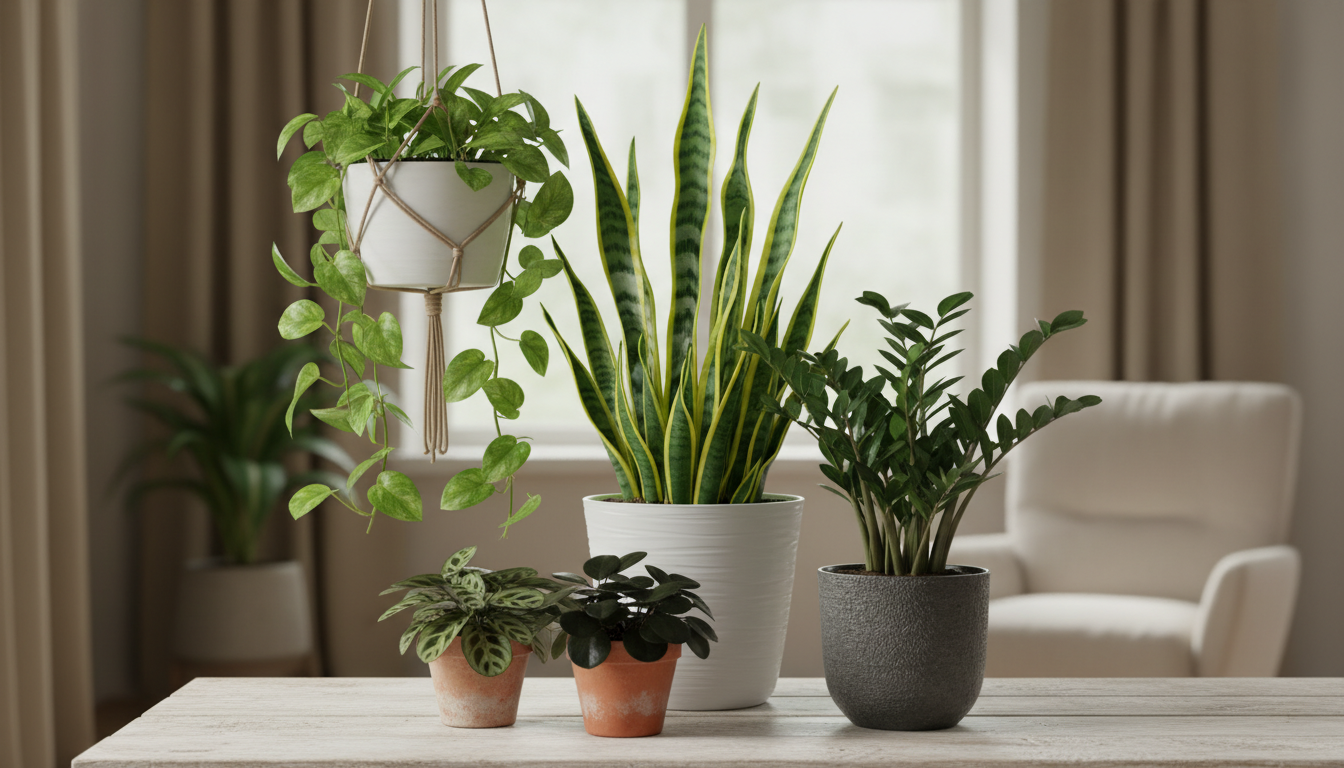
- Snake Plant (Sansevieria): This is one of the most resilient plants that can survive even with minimal lighting.
- ZZ Plant (Zamioculcas): Its glossy leaves and ease of care make it an excellent choice for dark spaces.
- Peace Lily (Spathiphyllum): This plant not only blooms beautifully but also effectively purifies the air.
Care Tips
- Regular Watering: Make sure not to overwater the plants. In low light conditions, they require less water.
- Periodic Rotation: To ensure the plant receives even lighting, rotate it every few weeks.
- Fertilization: Use fertilizers with low nitrogen content to avoid harming plants that grow in low light conditions.
Choosing the right plants for low light not only beautifies your home but also creates a healthy atmosphere for you and your loved ones. Don't be afraid to experiment and find the perfect solutions for your space!
Top 5 Houseplants for Dark Spaces
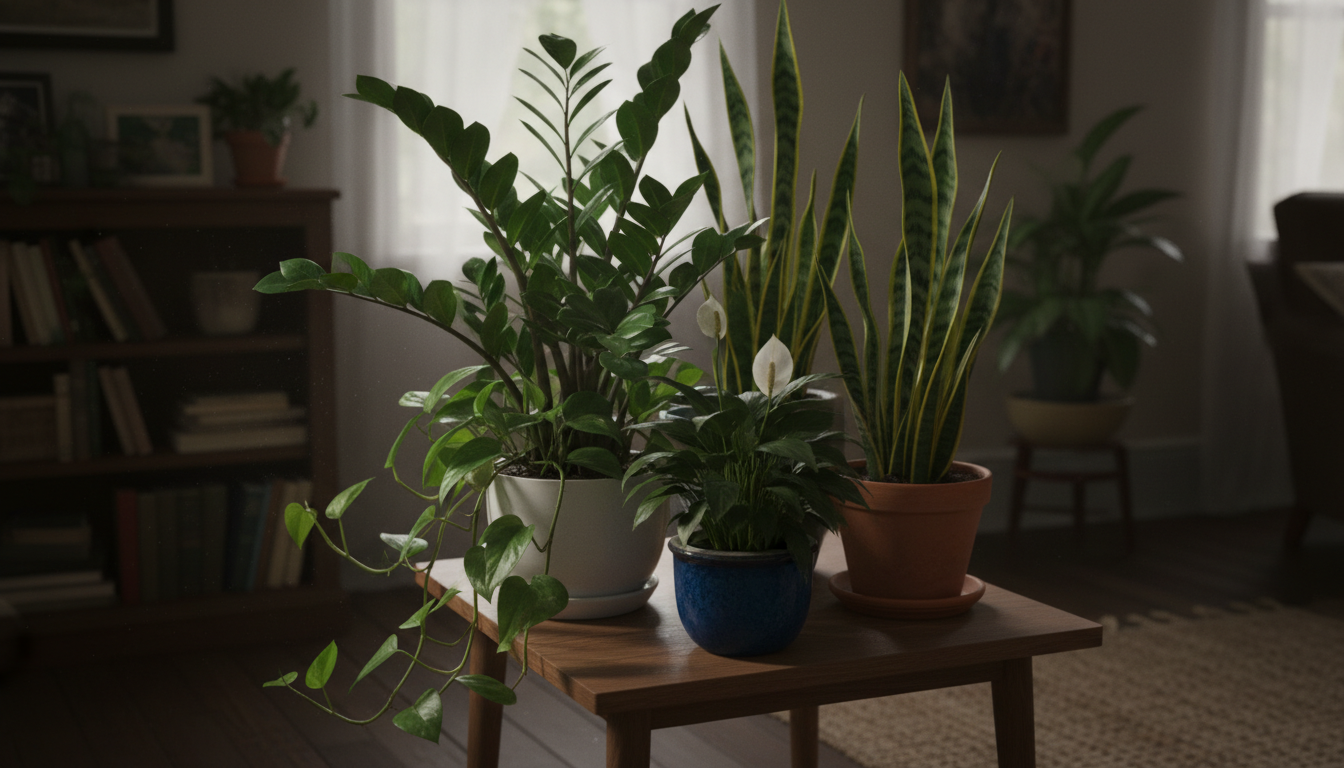
If you are looking for plants that can survive and even thrive in low light conditions, here is a list of the top five options. These plants are not only beautiful but also easy to care for!
1. Snake Plant (Sansevieria)
The Snake Plant is a true champion among houseplants. It can survive in the toughest conditions, including the dark corners of your home. This plant does not require frequent watering and is excellent at purifying the air.
2. ZZ Plant (Zamioculcas)
The ZZ Plant, with its glossy, fleshy leaves, will be a stylish addition to any interior. It thrives in low light conditions and requires minimal care.
3. Peace Lily (Spathiphyllum)
The Peace Lily not only delights the eye with its white flowers but also effectively improves indoor air quality. This plant prefers shade and can go long periods without sunlight.
4. Rubber Plant (Ficus elastica)
The Rubber Plant is another undemanding plant that thrives in low light conditions. Its large, glossy leaves will add coziness to your home.
5. Boston Fern (Nephrolepis exaltata)
Ferns are ideal plants for dark spaces. The Boston Fern, in particular, prefers humidity and can grow well even with insufficient light.
Care Tips for Plants in Dark Spaces
- Watering: Remember that in low light conditions, plants require less water. Ensure that the soil does not remain too moist.
- Regular Checking: Monitor the condition of the leaves. If they start to yellow, it may be a sign of overwatering.
- Adding Fertilizers: Use fertilizers suitable for low-light plants to maintain their health.
By choosing plants for dark spaces, you not only enhance the interior but also create a healthy atmosphere for yourself and your loved ones.
Caring for Plants in Low Light Conditions
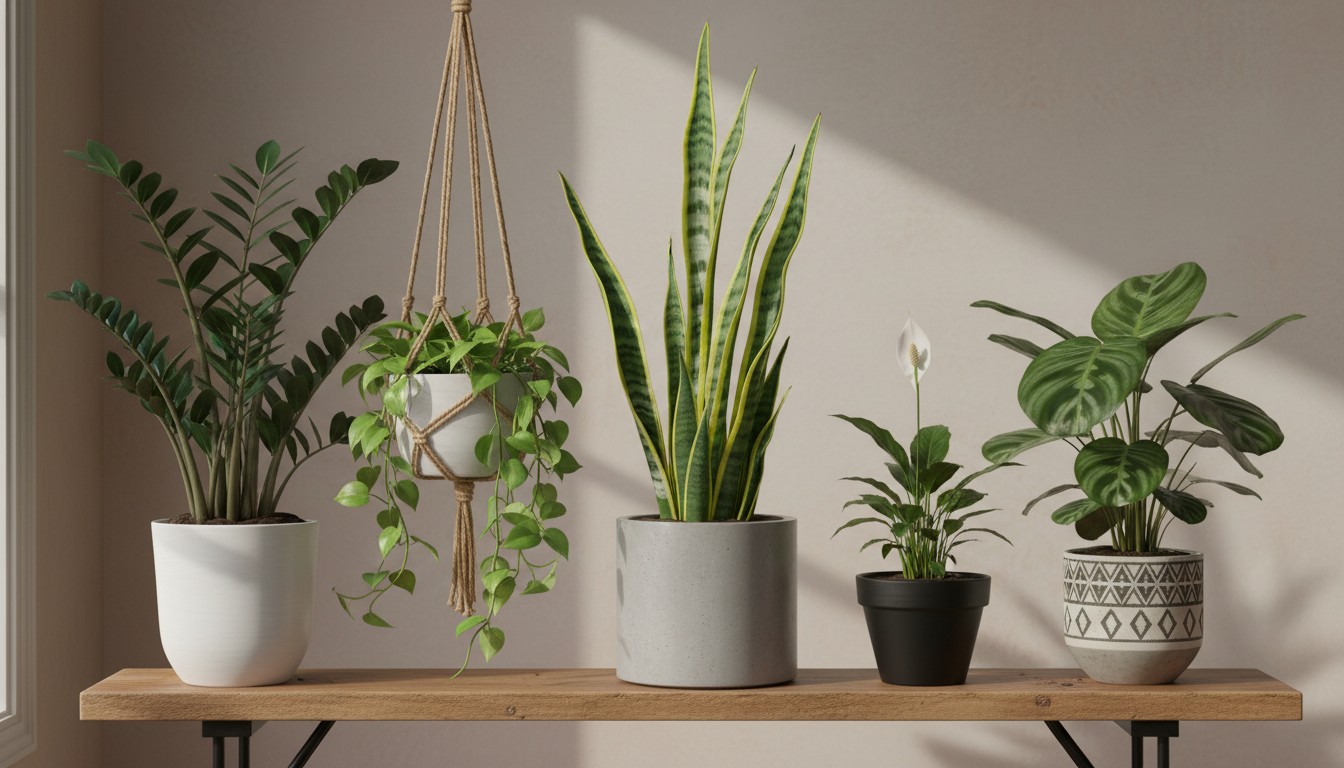
Caring for plants that thrive in low light requires a special approach. Here are some tips to help you provide your green friends with comfortable growing conditions.
Watering
- Moderate Watering: Plants in low light need less water. Allow the top layer of soil to dry out a bit before the next watering to avoid overwatering.
- Moisture Check: Use your finger or a moisture meter to determine when to water.
Lighting
- Placement: Place plants in spots where they can receive at least some filtered light. Even in dark corners, you can sometimes find a suitable place.
- Periodic Rotation: To avoid leggy growth, rotate the plants every few weeks so they are evenly lit from all sides.
Fertilization
- Seasonal Fertilization: During the active growth period (spring and summer), fertilize plants once a month with low nitrogen fertilizers. This will help maintain their health without overloading them.
- In Winter: During the winter months, when the daylight is short, fertilizers can be omitted as the plants are in a dormant state.
Leaf Care
- Cleaning Leaves: Periodically wipe the leaves with a damp cloth to remove dust. This will help the plant absorb light better.
- Monitor Condition: If leaves start to yellow or drop, it may be a sign of improper care or lack of light.
By following these simple recommendations, you can create ideal conditions for your plants, even if your home lacks light. Remember that each plant is unique, and it is important to consider its individual needs!
Mistakes to Avoid When Choosing Plants
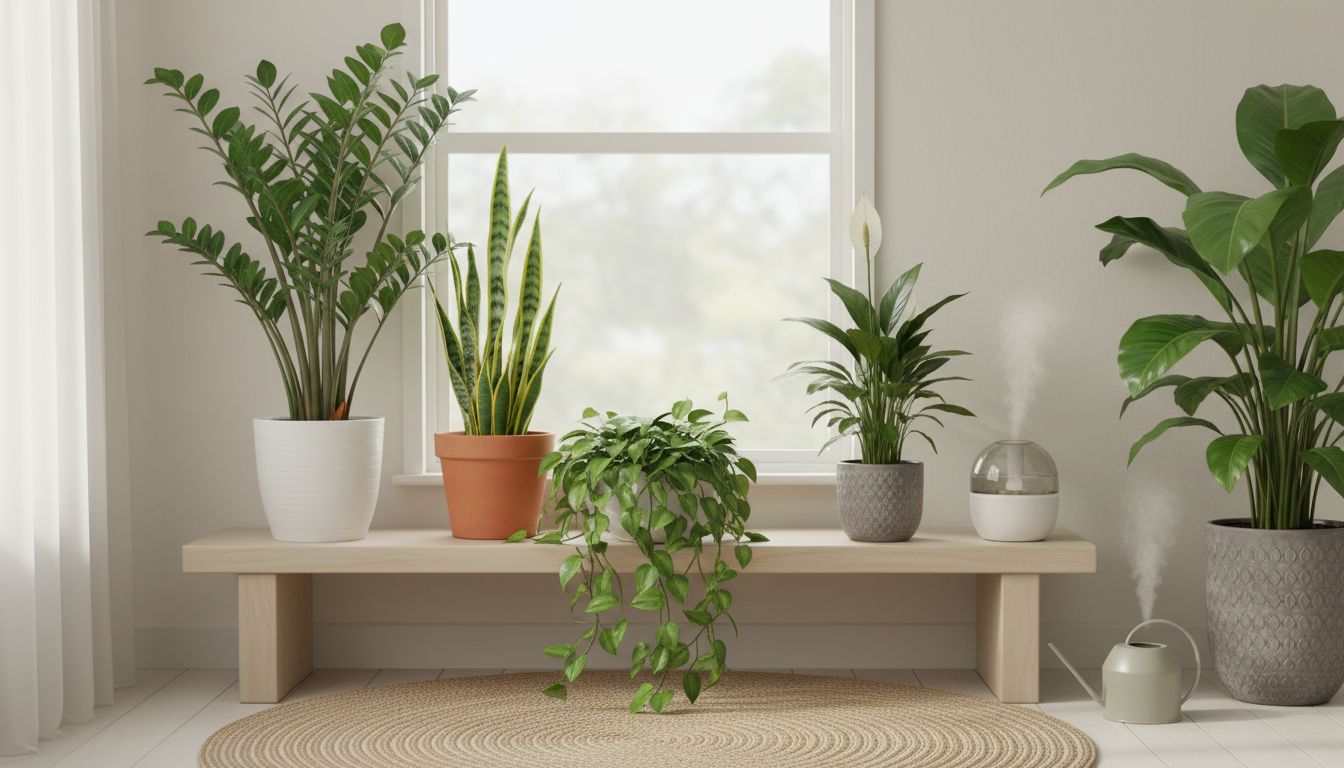
Choosing plants for low-light environments can be a challenging task. To ensure your green friends feel comfortable and pleasing to the eye, it is important to avoid common mistakes. Here are some tips to help you make the right choice.
1. Ignoring Lighting Conditions
One of the most common mistakes is not paying enough attention to the light level in the room. Before buying a plant, be sure to assess how much light the chosen spot receives. Even plants that tolerate shade well still need some light.
2. Overwatering
Many beginners make the mistake of watering plants too often. In low light conditions, plants slow down their growth and therefore require less water. Before watering, check how moist the soil is and let it dry out a bit.
3. Choosing Unsuitable Plants
Not all plants that claim to be low-maintenance are suitable for low light. Research the characteristics of each species before making a decision. For example, some plants may require more light than you expect.
4. Incorrect Placement
Plants, even those that love shade, may not survive if placed in a completely dark spot. Try to place them in areas with filtered light where they can receive at least minimal sunlight.
5. Neglecting Fertilizers
Some people think that plants in low light do not need fertilizers. In fact, they still require certain nutrients, albeit in smaller amounts. Use fertilizers suitable for such conditions and monitor the health of your plants.
Helpful Tips
- Study Plant Needs: Before purchasing, familiarize yourself with the light and care requirements for each species.
- Observe Your Plants: If you notice yellowing or dropping leaves, reconsider your care methods.
- Experiment: Don’t be afraid to try different plants and find the perfect options for your home.
By avoiding these common mistakes, you can create a healthy and beautiful environment for your plants, even in low light conditions. Good luck on your green journey!
Additional Tips for Decorating with Low Light Plants
When it comes to decorating with low light plants, it is important not only to choose the right species but also to skillfully place them in your interior. Here are some tips to help you create a harmonious and cozy space.
1. Choosing Suitable Containers
- Style: Select pots that match your interior. For example, minimalist containers are suitable for modern styles, while ceramic pots with painting are good for classic styles.
- Size: Ensure that the pot size corresponds to the plant size. A pot that is too small may restrict growth, while one that is too large may look out of place.
2. Plant Placement
- Levels: Use stands or shelves to create different levels. This will not only add interest to the decor but also provide the plants with necessary lighting.
- Grouping: Combine several plants in one area. This will create a mini-garden effect and add greenery to your space.
3. Using Lighting
- Artificial Lighting: If your room lacks natural light, consider installing special grow lights. They will help provide additional lighting.
- Decorative Lamps: Use lamps that highlight the beauty of the plants. For example, wall sconces or table lamps can create a cozy atmosphere.
4. Plant Care
- Regular Cleaning: Don’t forget to wipe the leaves from dust so that the plants can absorb light better. This will also help maintain their attractive appearance.
- Condition Check: Regularly inspect your plants for pests or signs of disease. The sooner you notice a problem, the easier it will be to solve.
5. Creative Ideas
- Vertical Gardens: Consider creating a vertical garden on the wall. This not only saves space but also emphasizes greenery.
- Combining with Other Decorations: Add decorative elements such as stones, moss, or figurines to your plants. This will give your interior uniqueness and originality.